

“There’s nothing to do!” If you’ve heard this from your children during a cold winter afternoon, you’re certainly not alone. When outdoor play becomes less appealing and school holidays interrupt the usual routine, keeping children occupied can become a daily challenge. A little extra screen time may seem like an easy answer, but most parents would love to find other ways to keep their children busy.
The good news is that winter doesn’t have to mean staying inside with nothing to do. A living room can become a bowling alley, a few blankets can turn into a camping tent, and a visit to a nearby park can become an afternoon of discovery. Children don’t need elaborate equipment or expensive outings to have a good time. Often, they just need an interesting idea and a little encouragement to get started.
Of course, not every child enjoys the same things. Some love running, jumping, and competing, while others prefer animals, games, or activities that involve making their own decisions. Having a mixture of options makes it easier to find something everyone can enjoy.
If you’re planning family weekends, looking for ways to reduce screen time, or simply trying to make the school holidays less boring, these 21 winter activities for kids offer plenty of ideas to try at home and outdoors.
1. Indoor Obstacle Course Challenge
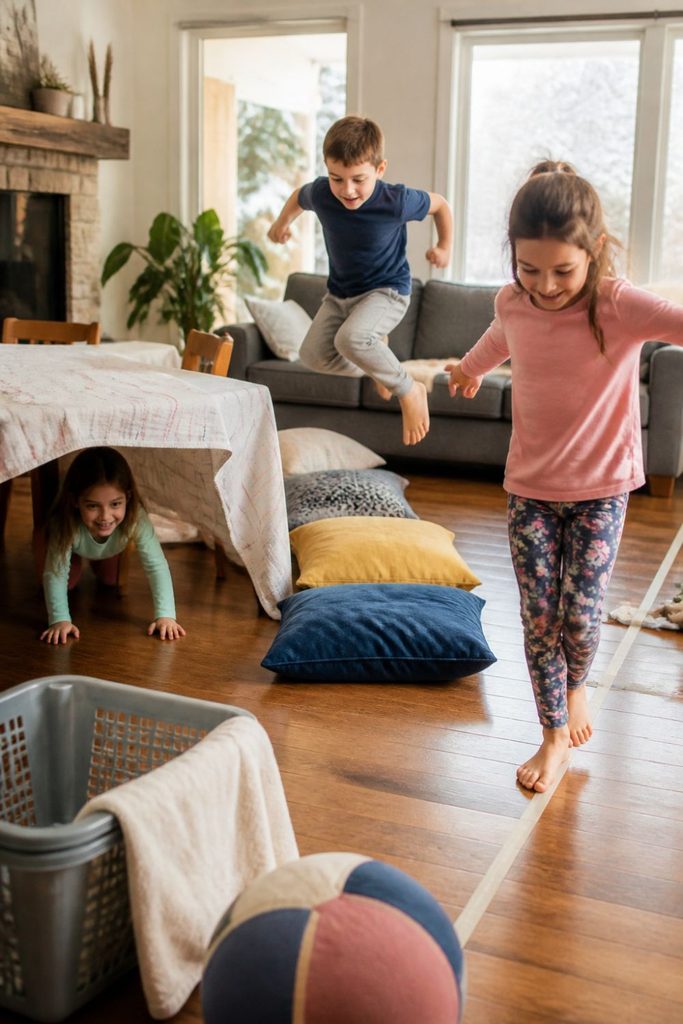
A rainy afternoon, energetic children, and a living room full of cushions can be the perfect combination for an obstacle course. Rather than letting the children turn the furniture into a climbing frame, give them a course with clear rules and a proper starting point.
Use pillows for jumping, a blanket-covered table for crawling underneath, and masking tape on the floor to create a balancing line. Finish the course with a soft ball that children must throw into a basket. You can make the route as simple or challenging as your space allows.
Here’s a fun twist: let the children design the next round themselves. A six year old might add a hopping section, while an older sibling could suggest completing the course while balancing a beanbag. Younger children will need a little more help, so keep their route short and easy. Secure furniture, remove sharp objects, and leave plenty of room to move. Once the course is ready, even an ordinary afternoon can turn into a family competition.
2. Winter Scavenger Hunt
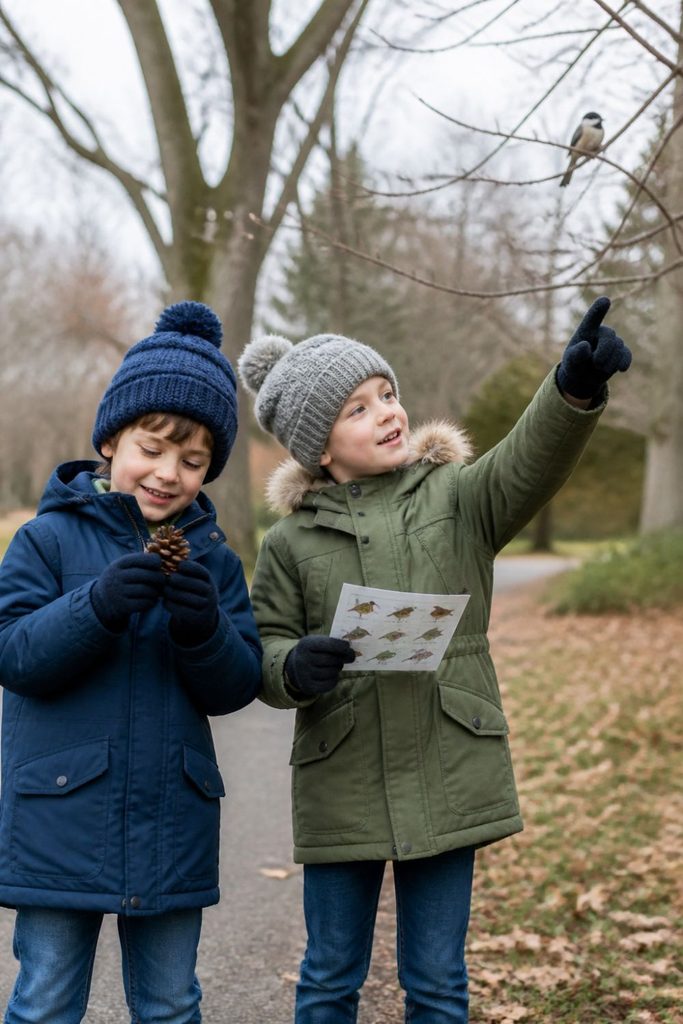
Children often notice things adults walk straight past. A scavenger hunt gives them a reason to look more closely at their surroundings and turns a regular walk into a little adventure.
Before leaving home, write down five to ten things they might find. A pinecone, a fallen leaf, a bird on a branch, an interesting stone, and a tree with an unusual shape are good starting points. Children can tick off each item as they spot it. If you don’t want them collecting things from nature, simply ask them to point to the objects or take photographs.
For preschoolers, use pictures instead of written instructions. Older children can solve clues or work through a longer list. Parents can join in by adding a few unexpected items along the way. Try not to make the hunt too competitive. The point is to enjoy the walk, not rush through the list. Choose a safe route and supervise children near roads, water, and unfamiliar plants.
3. Snowman Building Competition
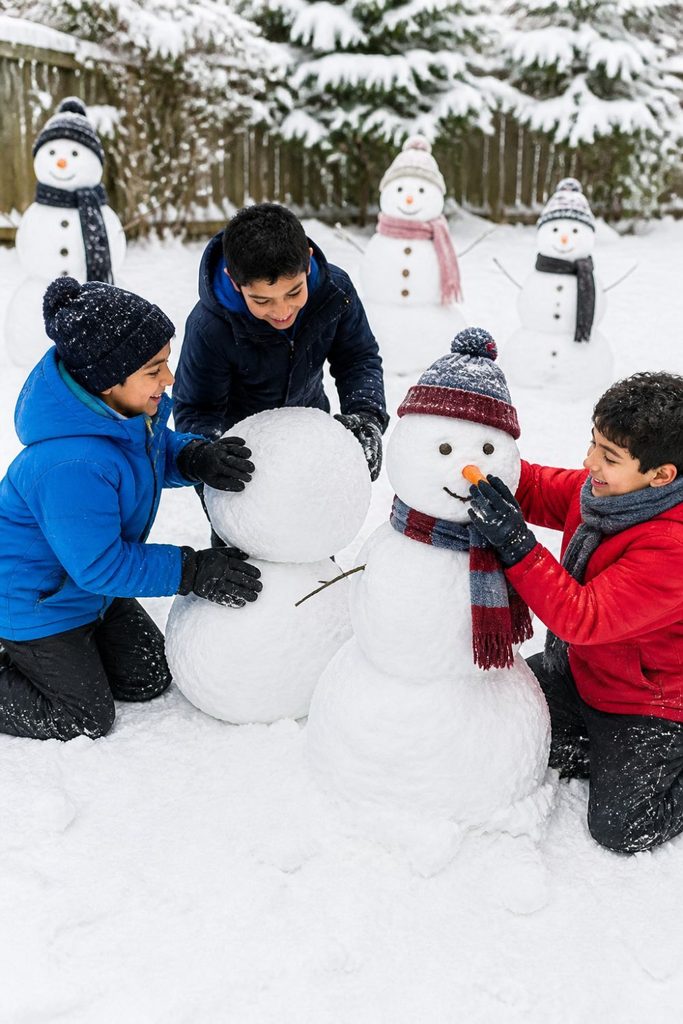
Few things get children excited about fresh snowfall like the chance to build their own snowman. It starts with rolling a little snow, but before long, everyone is looking for something to use as a nose, eyes, or a funny hat.
Give each child a different theme rather than asking everyone to build the same snowman. One could make a funny character, another could create a snow animal, and siblings could work together on a snow family. Old scarves, hats, sticks, and stones can make excellent decorations.
When the creations are ready, hold a friendly judging session. Categories such as funniest snowman, smallest snowman, and most unusual design give everyone a chance to win something. Take pictures before the snow melts, as children will enjoy looking back at their work. Dress them in waterproof gloves and warm layers, and bring them inside when they start getting cold. Families without snowfall can try stacking white cushions or paper balls indoors.
4. Indoor Bowling Game

You don’t need a bowling alley to give children the excitement of knocking down pins. An indoor bowling game takes only a few minutes to prepare, and most of the equipment may already be in your home.
Collect six or ten empty plastic bottles and arrange them in a triangle at one end of a clear room. Give each child a soft ball and two attempts to knock down as many bottles as possible. Keep the score on a piece of paper so everyone can follow the results.
Younger children should start closer to the pins, while older ones can try from farther away. To keep the game interesting, change the arrangement after a few rounds or ask players to aim for a particular bottle. Children can also help decorate the bottles before playing. Use lightweight materials and move fragile objects out of the way. It is a simple activity that works particularly well when siblings want to compete without needing separate equipment.
5. Ice Skating Adventure
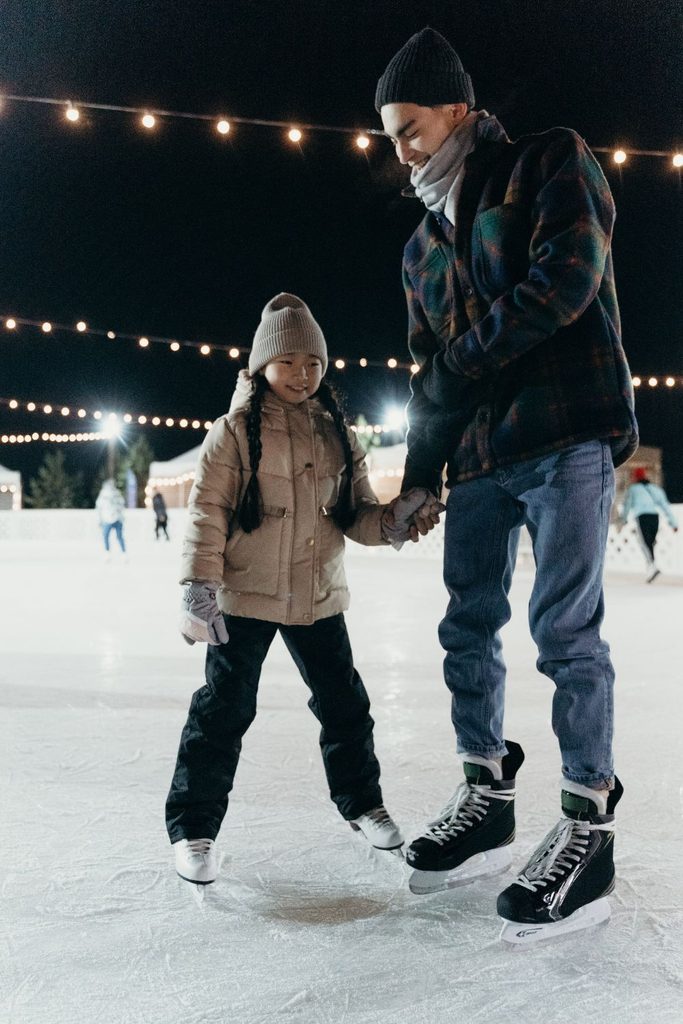
If there’s an ice skating rink within reach, a family visit can be a welcome change from the usual winter routine. For children who have never tried skating, the first few minutes may involve more holding onto the railing than gliding across the ice. That’s perfectly normal!
Look for beginner sessions or lessons designed for children. These give new skaters time to learn how to stand, balance, move slowly, and stop safely. Children who already have some experience can practice gentle turns or try a few new movements.
Check skate sizes before getting on the ice, and bring gloves and suitable protective equipment, including helmets where recommended by the rink. Some facilities offer skating aids for younger beginners, so ask about these when booking. Never push a nervous child to continue if they feel uncomfortable. If ice skating isn’t available locally, roller skating is another option worth considering. The experience of trying a new sport can make the outing memorable even if nobody becomes an expert.
6. Winter Themed Photography Challenge
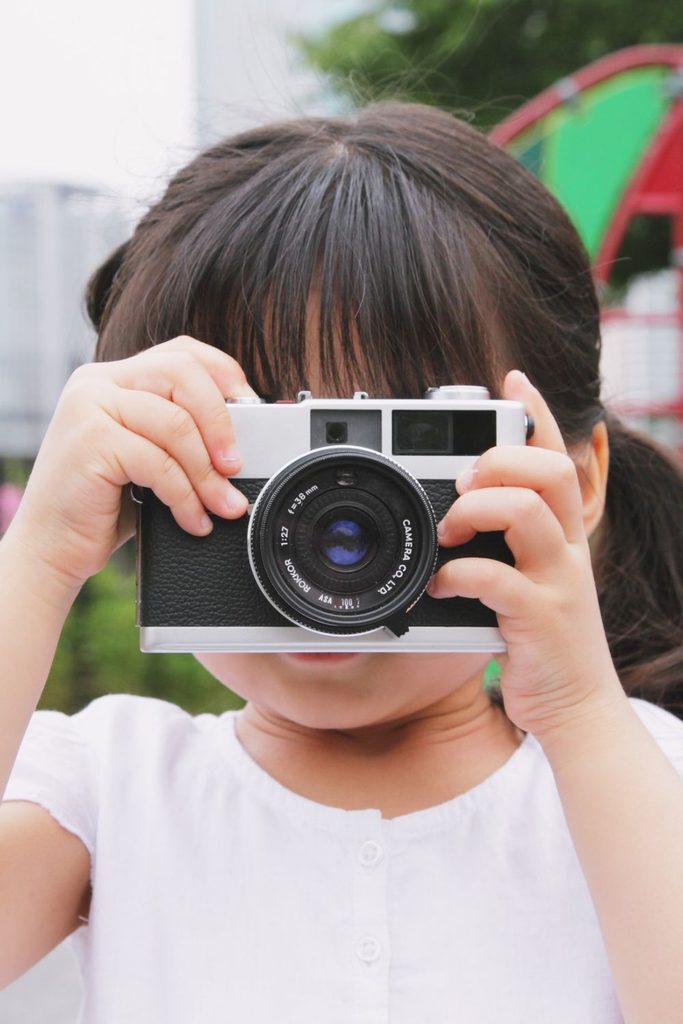
Give a child a camera and a little freedom, and you may see familiar surroundings in a completely different way. Photography is a good choice for children who enjoy observing details and coming up with their own ideas.
Start with a small challenge. Ask them to photograph something yellow, a funny looking cloud, a bird, a shadow, or their favorite tree. Older children can try close up pictures, experiment with angles, or create a short photo story about a winter day.
Once everyone has finished, sit together and look through the pictures. Ask children which one they like most and what made them choose that subject. You could print a few photographs and create a family album or display them on the fridge. A child friendly camera works well, but a phone with adult supervision is fine too. Make sure children understand that they should not photograph strangers or share pictures online without permission.
7. Dance Party and Freeze Challenge
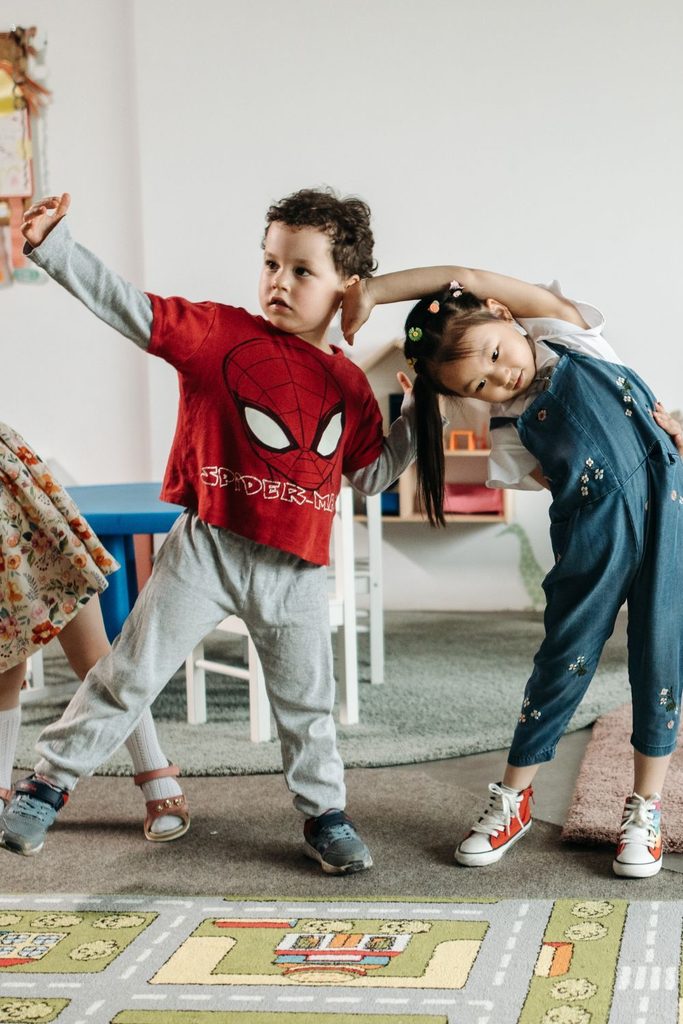
Sometimes the best way to get children moving is to let them choose the music. Clear a space in the living room, put on their favorite songs, and let everyone dance. It doesn’t need to look like a proper routine. Jumping, spinning, clapping, and making up silly movements are all part of the fun.
Once everyone has warmed up, introduce the freeze challenge. Stop the music at unexpected moments and ask everyone to freeze in whatever position they are in. Anyone who moves can perform a funny dance before the next round.
You can also give children different dance instructions. Ask them to move like a robot, hop like a frog, or dance in slow motion. Let each family member choose a song so everyone gets a turn. Parents should join in too. Children often find it hilarious when adults try to copy their moves. Just make sure there is enough room to dance without bumping into furniture.
8. Indoor Camping Adventure
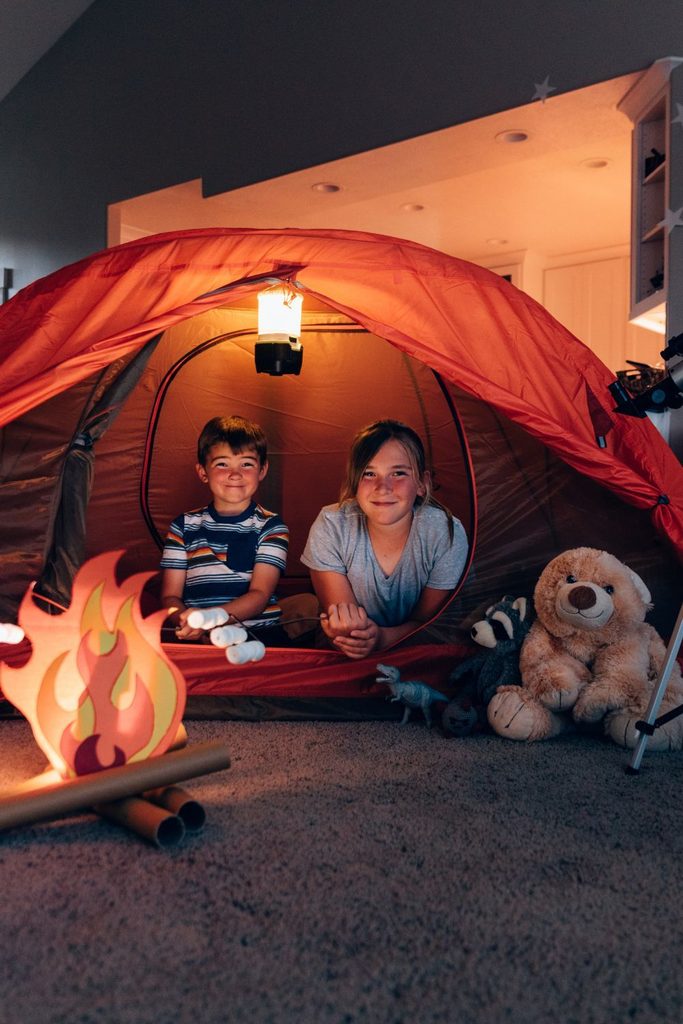
A camping trip doesn’t always require a tent, a campsite, or a long drive. On a cold winter evening, the living room can become a campsite with a few blankets and some imagination.
Use chairs and blankets to make a small tent, then fill it with cushions, sleeping bags, stuffed toys, and flashlights. Let children arrange their own sleeping area and decide what they would take on a real camping trip. Once the campsite is ready, turn off the main lights and use battery powered lanterns.
The family can spend the evening telling stories, playing guessing games, reading books, or pretending to camp in a forest. Prepare some simple snacks and let the children help arrange them. Older kids might enjoy creating a pretend camping checklist. Avoid candles and open flames, and make sure the blanket structure is stable. It is an easy way to give children something different to look forward to without leaving home.
9. Sledding Adventure
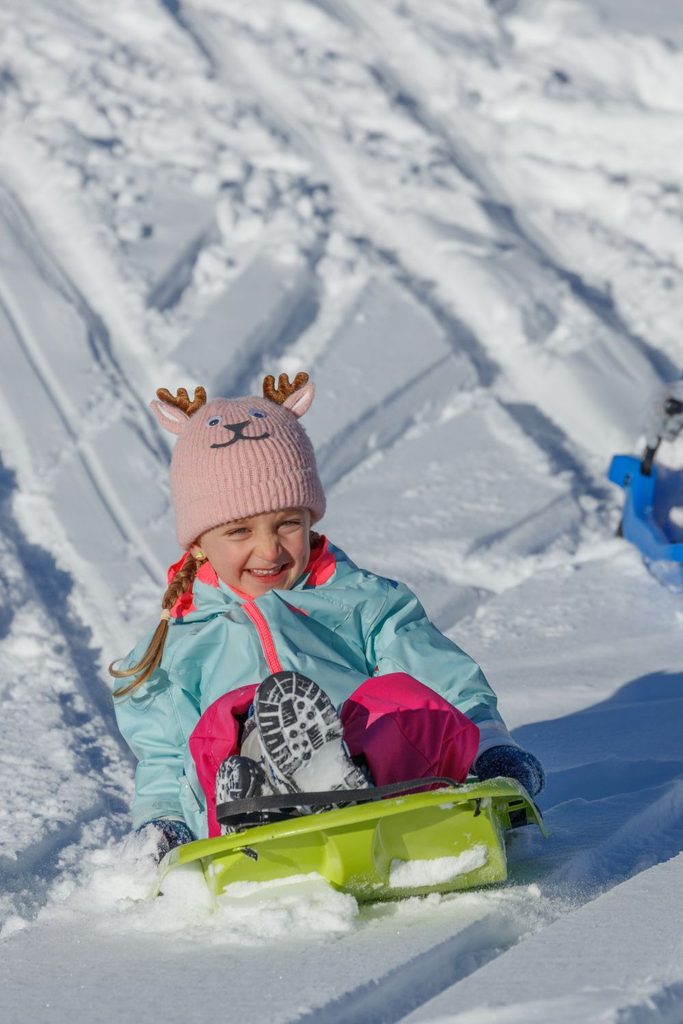
When there’s enough snow on the ground, sledding can turn a winter weekend into an exciting outdoor outing. Children love the feeling of sliding down a hill, especially when they get to take turns with siblings or friends.
The location matters more than the speed. Choose a designated sledding area with a gentle slope, a clear runout, and no nearby roads, trees, fences, or ponds. Let children take turns, making sure the previous rider has reached the bottom before anyone else starts.
Dress them in waterproof clothing, gloves, warm boots, and properly fitted helmets. Younger children may need an adult to accompany them, depending on their age and the site’s rules. Avoid steep hills or homemade sledding routes where obstacles are difficult to see. If your area doesn’t receive snow, a suitable playground slide can offer another way to enjoy outdoor play. Always supervise children and stop if conditions become unsafe.
10. Kids’ Yoga and Movement Games
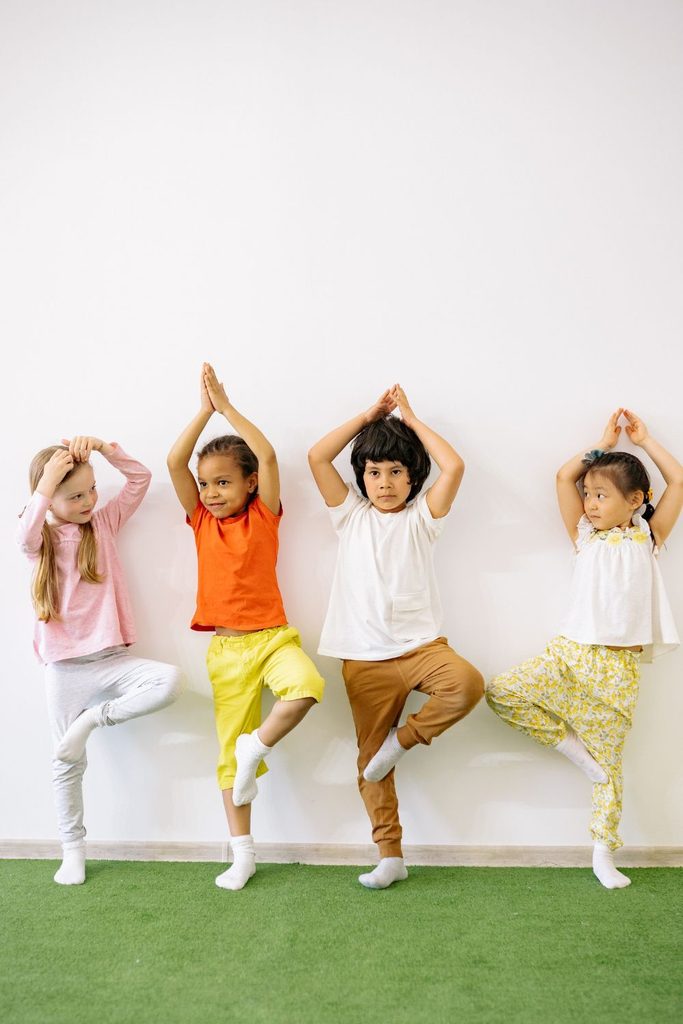
Not every winter afternoon needs a high energy game. Sometimes children benefit from a slower activity, particularly after a busy morning or an exciting outdoor outing. Yoga can be a simple way to introduce gentle movement without making children feel like they’re doing a formal exercise session.
Try a few easy poses, such as the tree pose, butterfly pose, cat pose, and child’s pose. Show children how to do each one and let them copy at their own pace. If they lose interest, turn the session into an animal game.
Ask them to stretch like a tall tree, balance like a flamingo, or curl up like a sleeping cat. A few slow breathing exercises can finish the session. Keep the activity short for younger children, and never force a movement that feels uncomfortable. A soft mat and a little floor space are all you need. This is particularly useful on days when children have spent a lot of time sitting indoors.
11. Balloon Volleyball
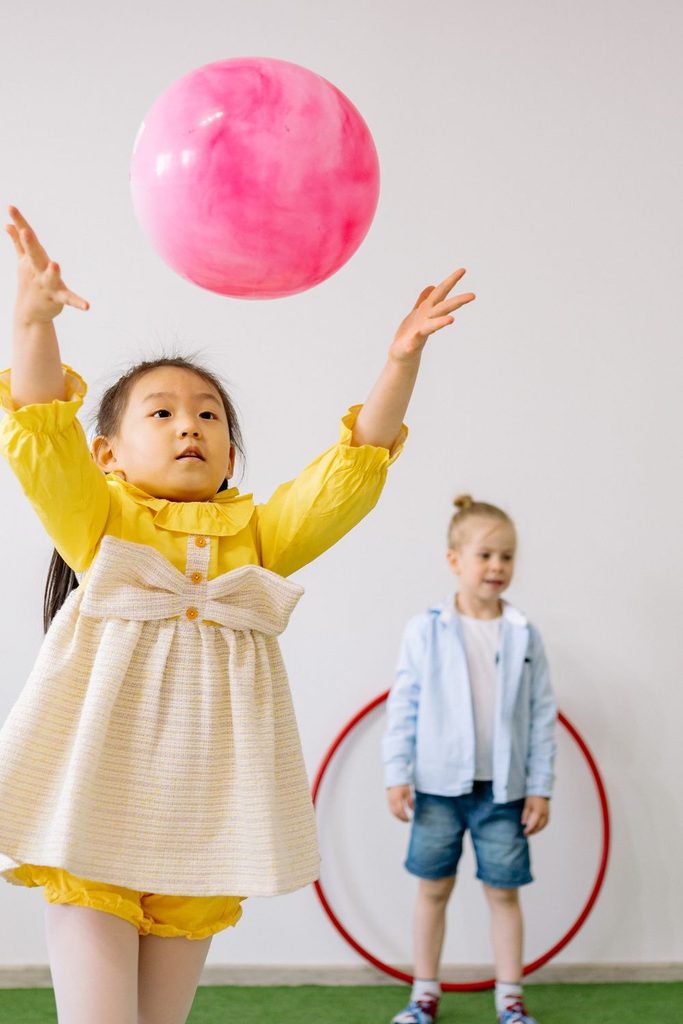
Regular volleyball can be tricky for younger children, but a balloon makes the game much easier. It moves slowly through the air, giving players more time to react and making it possible for different age groups to play together.
Tie a piece of string between two stable points to create a low net. Divide the players into two teams and take turns hitting the balloon over the string. Each team tries to stop it from touching the floor on their side.
If you have toddlers or preschoolers, leave out the net and simply encourage them to hit the balloon back to you. Older children can follow simple volleyball rules and keep score. Use enough room to avoid collisions and keep the game away from sharp furniture. Always supervise young children around balloons, as broken pieces can cause choking. It’s a useful indoor option for siblings who want to play together despite having different skill levels.
12. Bird Watching Adventure

A quiet morning can be the perfect time to watch birds. You don’t need to visit a wildlife park or travel far. A garden, balcony, nearby park, or window overlooking a tree can be enough to get started.
Ask children to notice the birds’ colors, sounds, sizes, and movements. Are they hopping along the ground? Sitting on branches? Flying between trees? Give them time to watch rather than rushing to identify every bird they see.
A child friendly bird guide or binoculars can make the experience more interesting. Children can keep a notebook and draw their favorite bird, or simply record how many different birds they spot. If you have a suitable bird feeder, you can observe visiting birds from indoors. Use food appropriate for local species and avoid disturbing nests. For children who enjoy animals but don’t like noisy group games, bird watching can become a favorite winter pastime.
13. Indoor Mini Golf Challenge
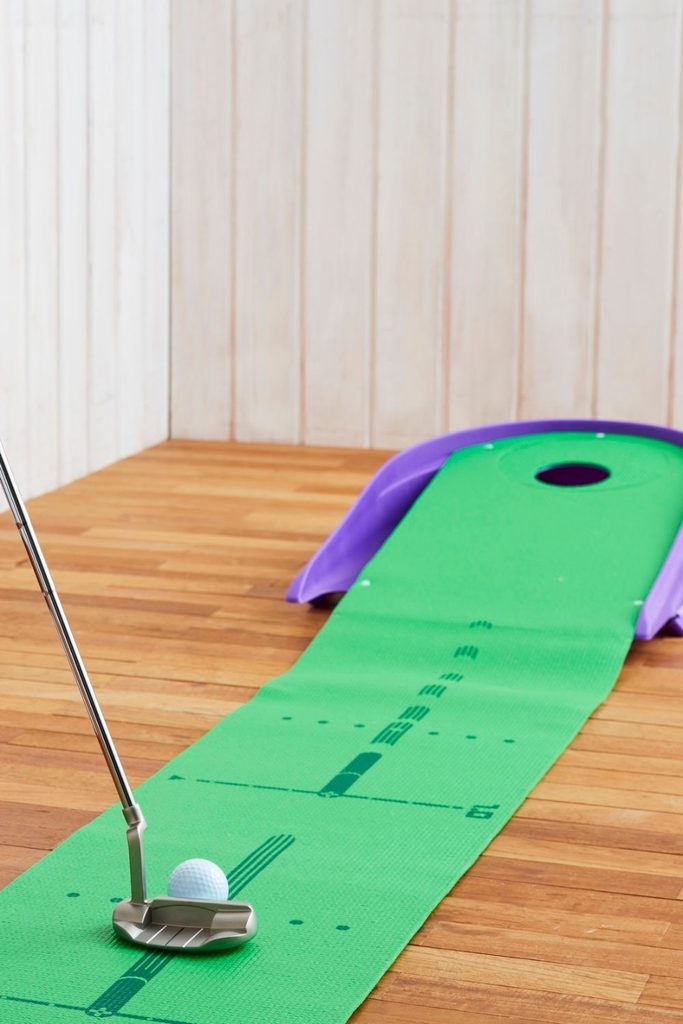
If your child enjoys aiming games, an indoor mini golf course can be a fun project for a cold afternoon. It doesn’t require a golf club membership or special equipment. Plastic cups, cardboard, and soft balls are enough to create a small course.
Place the cups at different spots around the room and use cardboard to make tunnels or gentle ramps. Children take turns hitting the ball toward each cup with a child sized putting club or safe plastic alternative. Count how many attempts each player needs to reach the target.
Younger children can start close to the cups, while older ones can try longer distances and trickier angles. Let the children design a new hole after each round. They may enjoy building the course just as much as playing it. Keep the equipment lightweight and move fragile objects out of the way. It’s a good activity for families who want something different from the usual board games.
14. Family Board Game Tournament
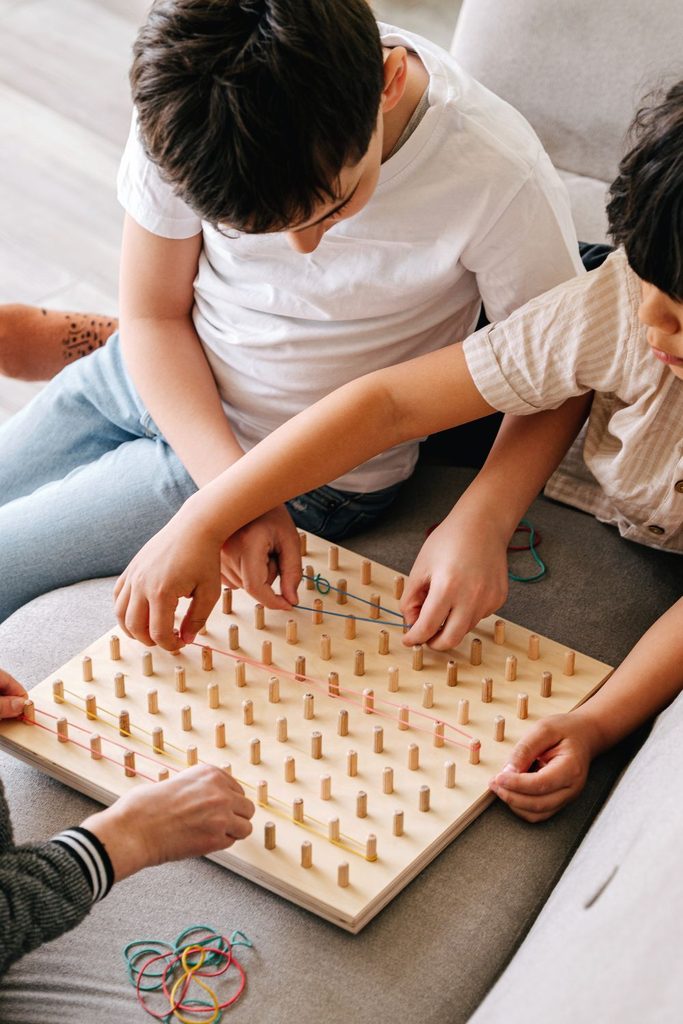
A board game evening can bring the family together when everyone is spending more time indoors. Rather than having each child choose a separate screen, put a few favorite games on the table and let everyone pick one.
Younger children may enjoy matching games, Snakes and Ladders, or Ludo with help from an adult. Older children can try checkers, chess, word games, or games that involve planning and strategy. If there are several games available, let each family member choose one for the evening.
You can keep a scorecard for a friendly tournament, but don’t make winning the main goal. Younger children may need help remembering the rules, and some games will take longer than others. Give everyone a chance to explain a rule or choose the next game. Sometimes the funniest part of a board game evening is an unexpected move or a sibling’s reaction to losing. Keep snacks nearby and enjoy the time together.
15. Snowball Target Toss

Children who enjoy playing in the snow might like this activity even more than a traditional snowball fight. Instead of throwing snow at each other, set up a few targets and see who can hit them most accurately.
Place buckets or large containers at different distances. Children can make small, soft snowballs and take turns aiming for each target. Give the farther containers more points, or make the smallest target worth the most.
If there isn’t any snow, rolled up socks or soft white balls can be used indoors. Younger children can stand closer to the targets, while older ones can try from farther away. Avoid hard or icy snowballs, and make sure children throw only at the targets. Never encourage aiming at faces or other people. It’s easy to organize, costs very little, and can be repeated with different target arrangements whenever children want a new challenge.
16. Winter Nature Exploration Walk
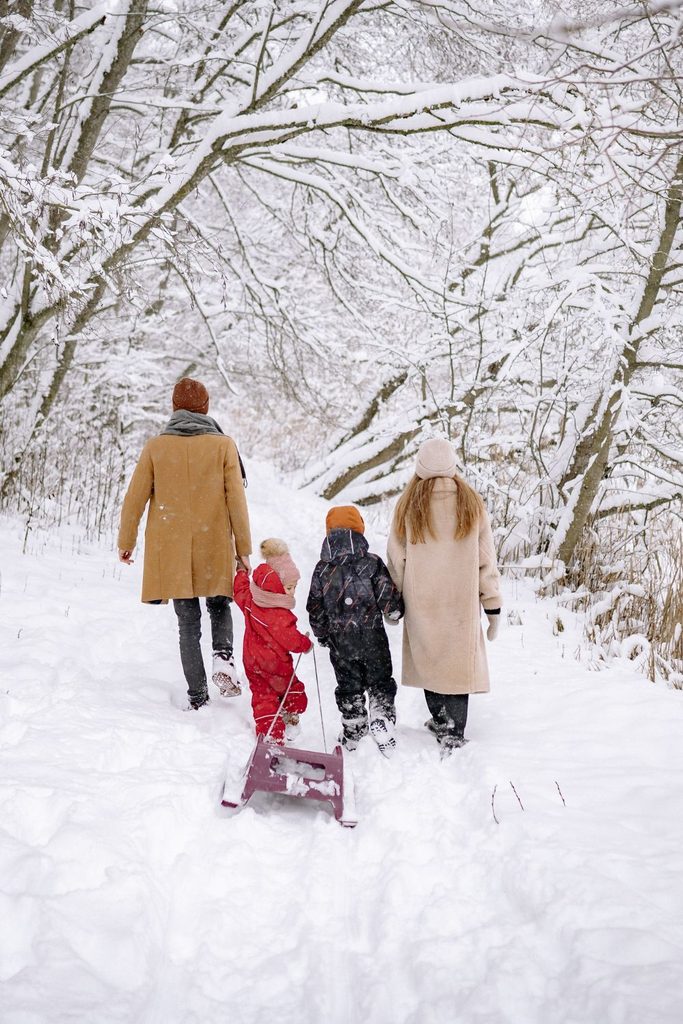
Children don’t always need a planned game to enjoy the outdoors. Sometimes, a walk becomes interesting simply because they are given time to notice what’s around them.
Visit a nearby park, garden, or safe walking trail and see what looks different during winter. Some trees may have lost their leaves, while others remain green. Children might notice birds searching for food, plants growing close to the ground, or changes in the soil and sky.
Ask questions along the way. Which tree looks different from the others? Can they spot three different shades of green? What sounds can they hear? Younger children can point out colors and shapes, while older kids can record their observations in a notebook. There’s no need to turn every walk into a lesson. Allow children to stop when something catches their attention. Dress appropriately and avoid touching unfamiliar plants or wildlife.
17. Indoor Treasure Hunt
A hidden prize and a few clever clues can keep children occupied for much longer than you might expect. An indoor treasure hunt is especially useful when the weather makes outdoor plans difficult.
Hide a small toy, snack, or other surprise somewhere in the house. Then prepare a series of clues that lead children from one place to another. Younger children can follow pictures or simple hints, while older kids can solve riddles and short puzzles.
You can give the hunt a story, such as finding a missing teddy bear or searching for a secret winter surprise. If siblings are playing together, encourage them to solve the clues as a team rather than competing to finish first. The prize doesn’t have to cost much. Even getting to choose the next family activity can be exciting. Keep clues in safe, accessible places and avoid hiding objects near stairs, appliances, or high shelves.
18. Indoor Basketball Challenge
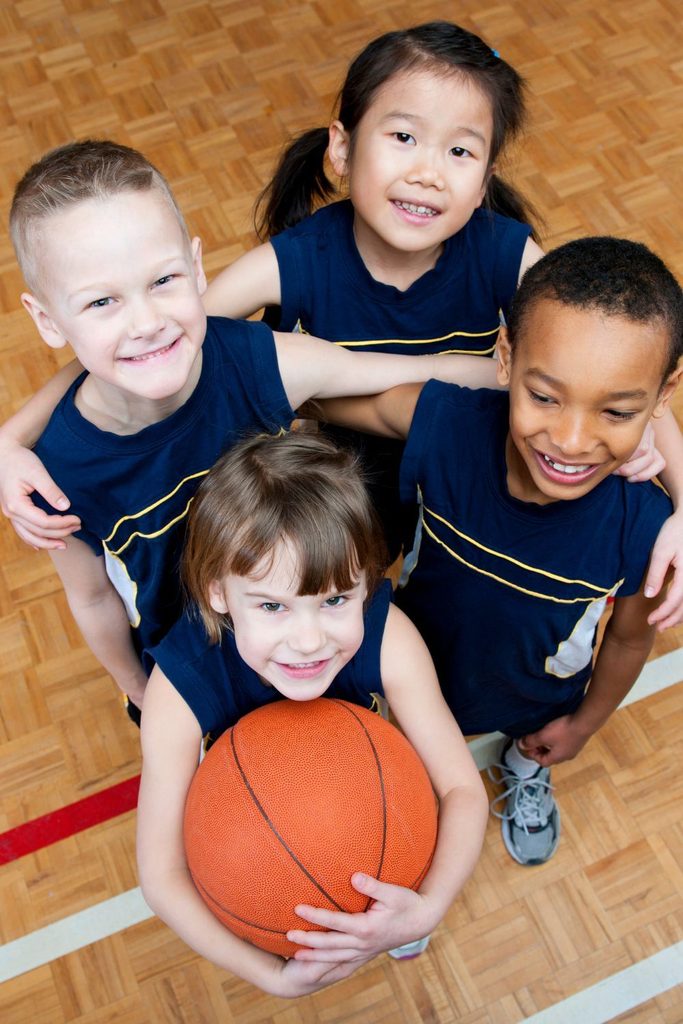
A soft ball and a laundry basket can provide plenty of entertainment for children who enjoy throwing games. Set up the basket in a clear area and mark a few shooting positions on the floor.
Let children take five shots from each position and count how many land in the basket. Start close to the target and gradually move the line farther away. Younger children can use a larger ball and stand near the basket, while older kids can experiment with different angles or try shooting with their non dominant hand.
To make it a family activity, combine everyone’s scores and see how many successful shots you can make together. You could also challenge children to beat their previous score on another day. Keep the basket stable and avoid placing it on furniture that children might climb. A foam ball is best for indoor use, particularly when space is limited.
19. Winter Wildlife Discovery Trip
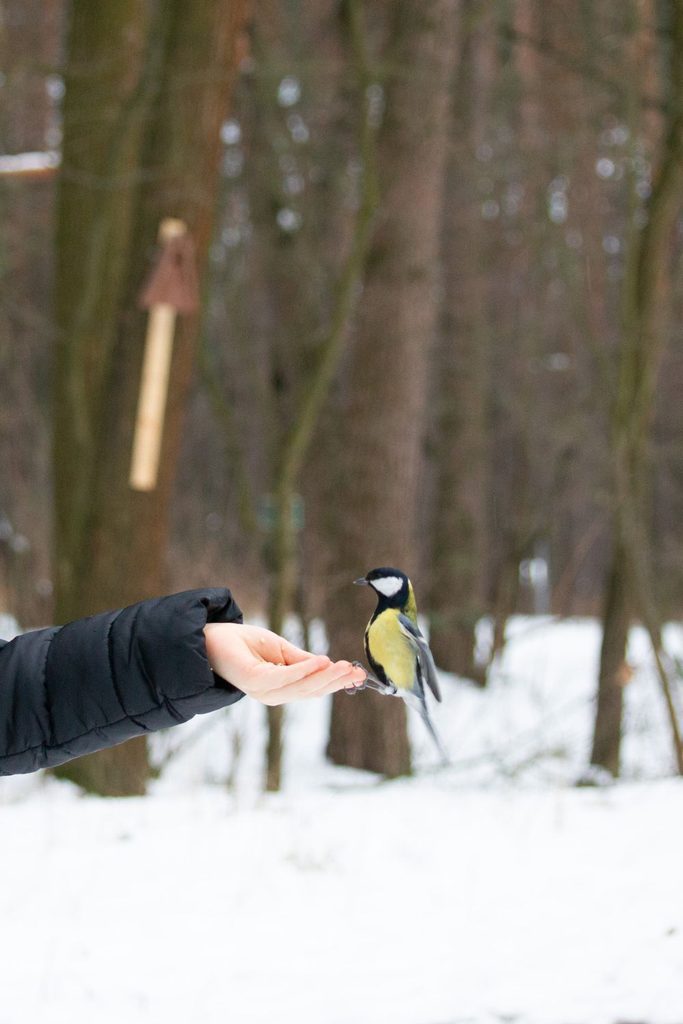
A trip to a zoo, wildlife center, or nature reserve gives children something different to look forward to during the holidays. Seeing animals in person can raise questions that might never come up during an ordinary day at home.
Before leaving, ask children which animals they would most like to see. At the center, encourage them to watch how the animals move, where they rest, and what they eat. Read the information signs together and talk about the habitats in which different animals live.
Some facilities have seasonal opening hours or changes to their animal viewing arrangements, so check before making the trip. Remind children to watch quietly, avoid tapping on enclosures, and follow all feeding rules. If possible, bring a small notebook so they can record their favorite animals and something interesting they learned. Even a short visit can give the family plenty to talk about afterward.
20. Family Winter Picnic
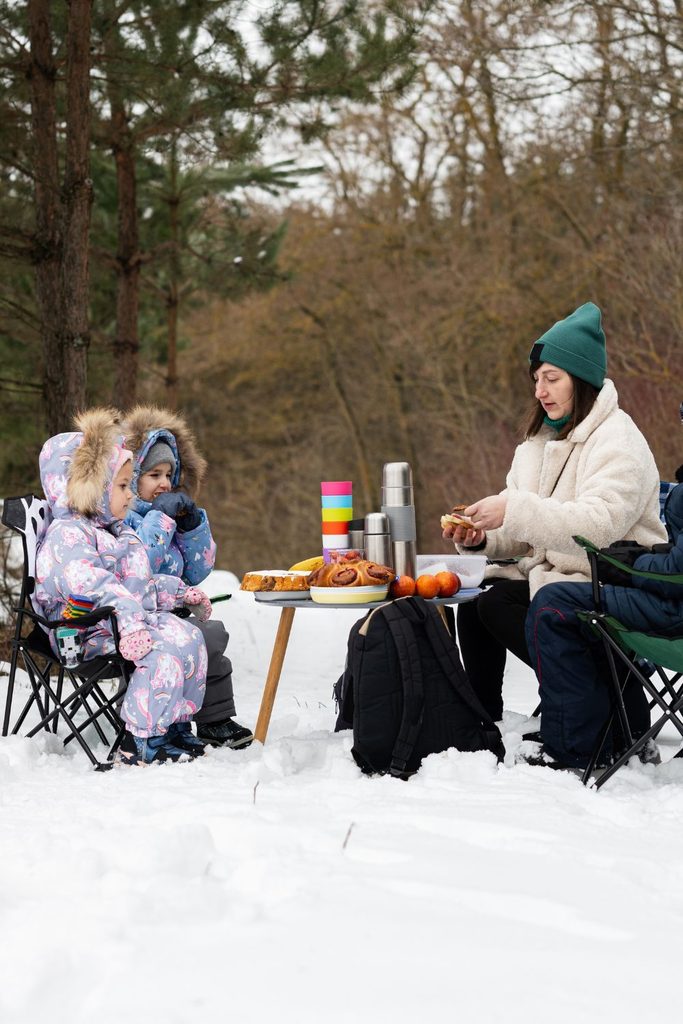
A picnic doesn’t have to be saved for warm summer days. On a sunny winter afternoon, a short outdoor meal can be a lovely change from the usual family routine.
Choose a sheltered park, garden, or other suitable outdoor spot. Pack sandwiches, fruit, snacks, a warm blanket, and drinks in a flask. Let children help prepare the food and choose a few things to bring. They could also pick an outdoor game, such as catch or a simple ball game, to play after eating.
Keep the outing short if the temperature is low, and bring extra layers in case the weather changes. There’s no need to plan a full afternoon. Even half an hour outside can be enjoyable when the family has a comfortable place to sit. If rain or strong winds spoil the plan, spread a blanket on the living room floor and have the same picnic indoors. Children often enjoy the change of setting just as much as the food.
21. Kids’ Cooking Challenge
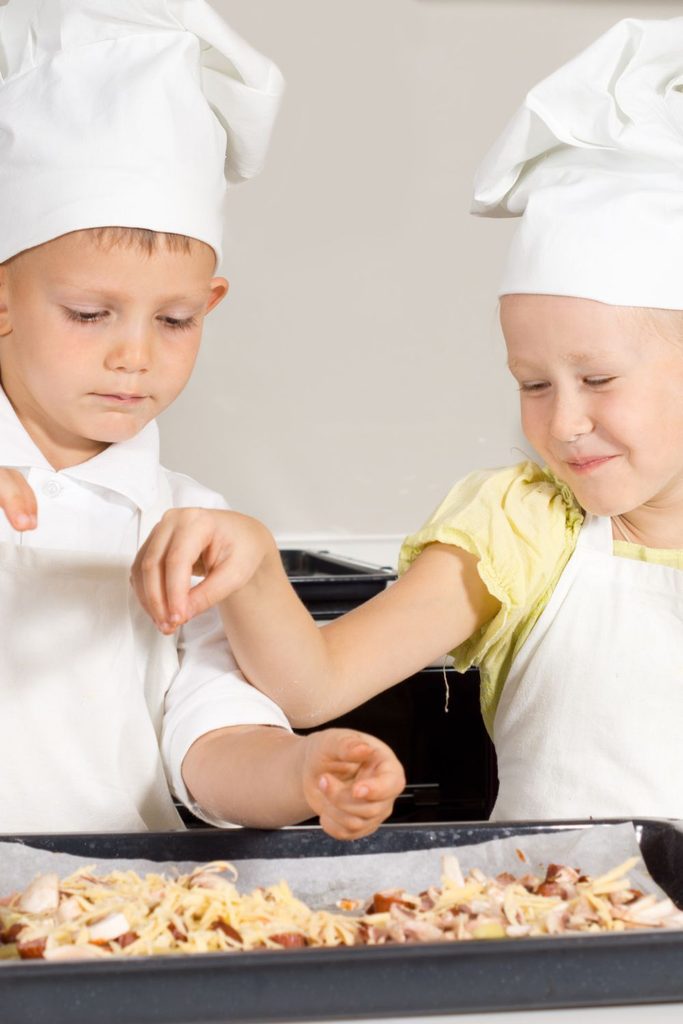
Getting children involved in preparing food can make an ordinary afternoon feel like an event. A cooking challenge gives them the chance to choose ingredients, follow simple instructions, and enjoy something they have helped prepare.
Start with recipes that don’t require complicated equipment. Fruit salad, sandwiches, yogurt bowls, and decorated toast are good options. Younger children can wash fruit, stir ingredients, and arrange food on plates. Older children can measure ingredients and follow a simple recipe with adult guidance.
Give them a theme to work with, such as making the most colorful snack or preparing a breakfast plate with three different fruits. Let them suggest their own combinations, even if the results are a little unusual. Adults should handle knives, ovens, hot pans, and boiling water. Check for allergies before choosing ingredients and make sure everyone washes their hands. Once the food is ready, sit down together and let the children present what they have made