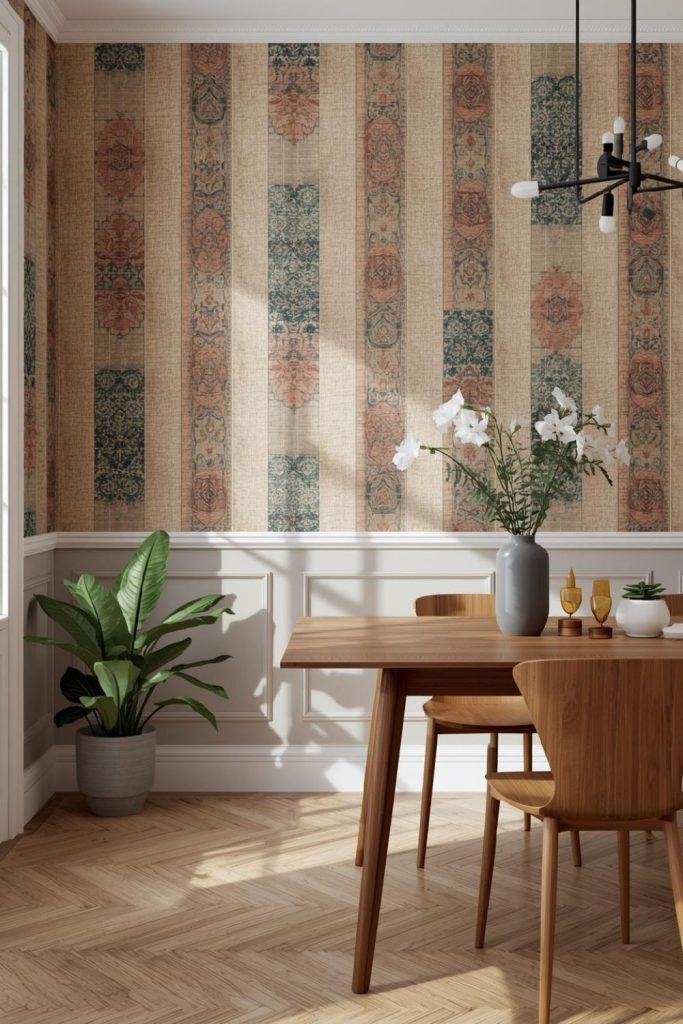
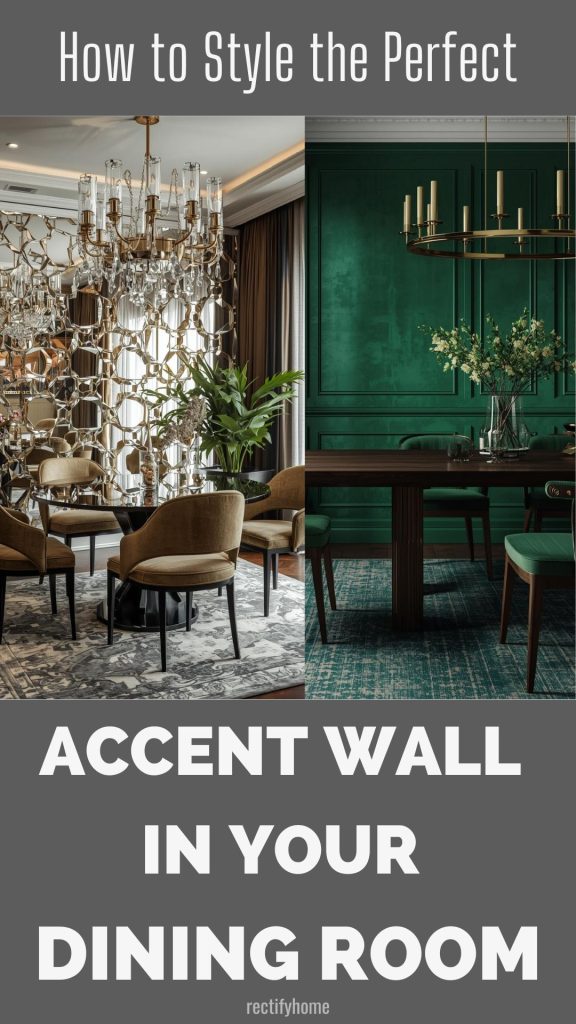
Creating a dining room accent wall can completely change the feel of your home, adding personality and a focal point that guests will remember. It’s a simple way to elevate a space without needing a full remodel, and with so many options in colors, materials, and textures, every homeowner can find something that fits their taste. Whether you’re looking for something bold and dramatic, soft and calming, or playful and colorful, your accent wall can make the dining room feel more inviting, more intentional, and more you. This guide covers every angle from choosing the right style and materials to styling the wall with furniture, lighting, and decor, plus plenty of ideas for colors, patterns, and textures to inspire your next project.
Choosing the Right Style and Mood for Your Dining Room Accent Wall
Before picking paint or panels, think about the overall vibe you want in your dining room. A dining room accent wall can set the tone for the whole space, whether it’s cozy and intimate, bright and lively, or sleek and modern. Consider how the wall will interact with furniture, lighting, and even the natural light in the room.
For smaller dining rooms, lighter colors and simple textures can help make the space feel larger, while darker shades or bold patterns can make larger rooms feel more grounded and inviting. Matching your accent wall to your existing furniture or choosing complementary styles can also help keep the room cohesive. You could go with classic materials like wood or brick, or experiment with modern options like wallpaper or metal finishes. The key is to pick a style that makes you feel comfortable and confident while dining and entertaining.
Also, think about the purpose of your dining space. Is it mainly for family dinners, hosting friends, or a mix of both? A dining room accent wall should reflect the way you use the room, whether it’s playful and colorful for casual meals or more subdued and sophisticated for formal settings. Texture matters too—shiplap or paneling adds depth and dimension, while smooth painted surfaces allow bold colors to shine. When you combine mood, function, and style thoughtfully, your accent wall can transform the room without overwhelming it.
Lighting affects the mood as well. Natural sunlight or strategically placed light fixtures can enhance colors and textures. Consider how shadows and reflections play across your chosen material to make sure the wall stays appealing at all times of the day. Even small details, like the direction of paneling or the sheen of paint, can dramatically impact the final result. Taking time to visualize different combinations, using samples or small test patches, often makes the process easier and ensures the wall feels intentional rather than forced.
Color, Texture, and Materials That Define a Dining Room Accent Wall
Color is one of the most immediate ways to set a tone. From calming blues to dramatic black or emerald green, your dining room accent wall can anchor the space or draw the eye in specific ways. Consider mixing textures with color. A matte paint in a deep shade might feel sophisticated, while a glossy finish adds vibrancy. Materials like wood, brick, shiplap, and metal can create a tactile, interesting wall, especially when paired with contrasting furniture or decor. Even subtle textures like linen wallpaper or woven panels can make the room feel more intimate.
Texture works with color to create depth. Vertical paneling can elongate a room, while horizontal lines can make a space feel wider. Wood boards, reclaimed panels, or even half walls with batten details give a handcrafted feel. Combining materials carefully can avoid a cluttered look. For example, a smooth painted section paired with a textured panel can highlight the accent without overwhelming the space.
When choosing materials, durability is also worth considering. Dining rooms see lots of activity—chairs scraping, children reaching, or spills from meals. Paints that are washable, wood that’s sealed, or panels that resist dents help maintain a polished look over time. Lighting can enhance textures, so consider placing fixtures to highlight grooves, grain, or patterns. With the right combination of color, texture, and materials, your dining room accent wall can serve as both a practical and beautiful feature of the home.
How to Design a Dining Room Accent Wall That Works with Open and Modern Spaces
Open floor plans present both opportunities and challenges. A dining room accent wall can help define the space, separating it from living or kitchen areas without using physical barriers. Modern spaces benefit from simplicity, clean lines, and a cohesive color palette. Think about how your wall interacts with other design elements like countertops, cabinets, or flooring. An accent wall in navy or charcoal can provide contrast against lighter walls or furniture, creating a striking visual anchor.
Placement is crucial. In open spaces, the accent wall should be visible from multiple angles, so pick a wall that draws attention but doesn’t block flow. Panels or vertical boards can subtly guide the eye and emphasize height or width in modern layouts. For homes with vaulted ceilings, a tall accent wall can add drama and balance the proportions of the room.
Materials should complement the surroundings. A mix of wood, paint, or metal can tie in elements from the kitchen or living room, creating a harmonious flow. Even subtle wallpaper patterns can add personality without feeling too busy. Open spaces thrive on balance: bold colors, interesting textures, and strategic placement allow your dining room accent wall to stand out while remaining integrated with the rest of your home.
Easy Ways to Style a Dining Room Accent Wall with Furniture, Lighting, and Decor
Styling an accent wall is about layering personality without clutter. Start with larger pieces like a buffet or sideboard, then add wall-mounted shelving or art. Mirrors can make the space feel bigger, while lighting fixtures highlight colors and textures. Table settings, vases, or seasonal decor can reinforce the style you choose. Don’t feel like everything needs to match; contrast creates interest.
Lighting enhances both style and function. Pendant lights or sconces can highlight textures like shiplap or wood panels, while soft lamps create warmth in darker painted walls. Furniture placement matters: a rug or centered table can help anchor the space, complementing the wall instead of competing with it. Accessories like framed photos or bronze accents create depth and personalization.
Remember that less can be more. Avoid overcrowding the wall with too many elements, which can detract from the accent. Thoughtful placement of a few key items, along with careful lighting, can make your accent wall feel intentional, inviting, and stylish. Using decor that echoes the color or texture of your wall ensures cohesion, while unique touches reflect your personality.
- Related post The Ultimate Guide to Choosing Kitchen Curtains Above Sink for a Stylish, Functional Space
Mistakes to Avoid When Creating a Dining Room Accent Wall
Common pitfalls include choosing colors that clash with furniture, ignoring room proportions, or overloading the wall with decorations. Avoid selecting paint or materials that don’t suit the room’s lighting—dark walls in a dim space can feel oppressive. Overly busy patterns may distract rather than enhance the space.
Placement matters. Don’t choose a wall that disappears behind furniture or is barely visible from other areas. Testing samples on the wall first helps avoid regret. Balance is key: a half wall may be enough in small rooms, while large rooms may need bold colors or textured panels to feel intentional.
Finally, resist trends that don’t match your style. A dining room accent wall should feel personal and timeless, not something that looks dated in a few years. By planning ahead and visualizing the finished result, your wall will enhance the room rather than dominate it.
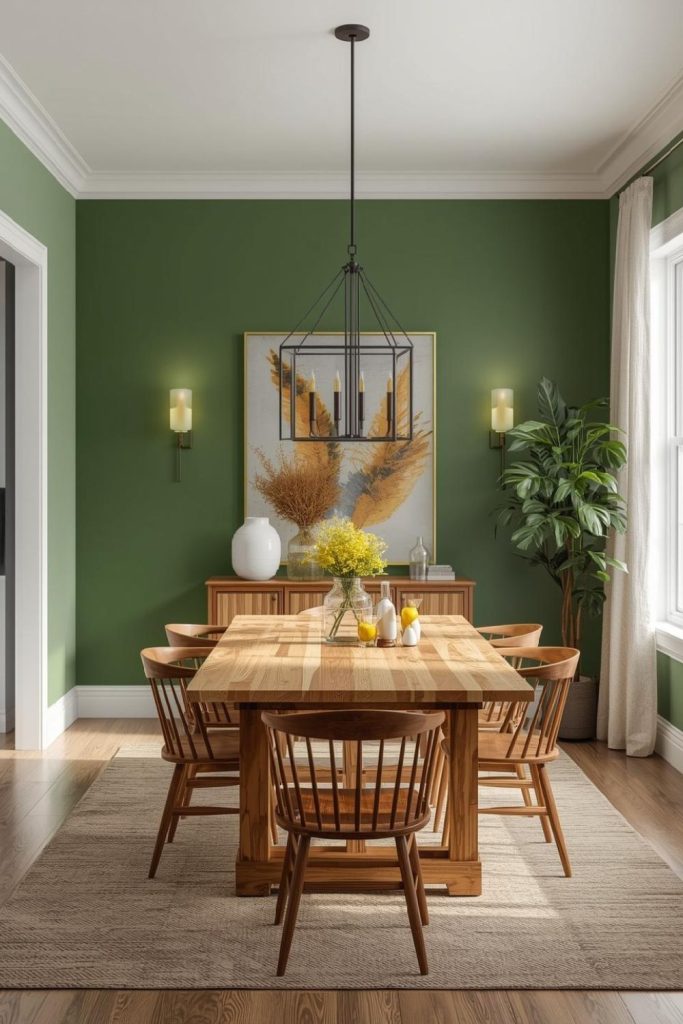
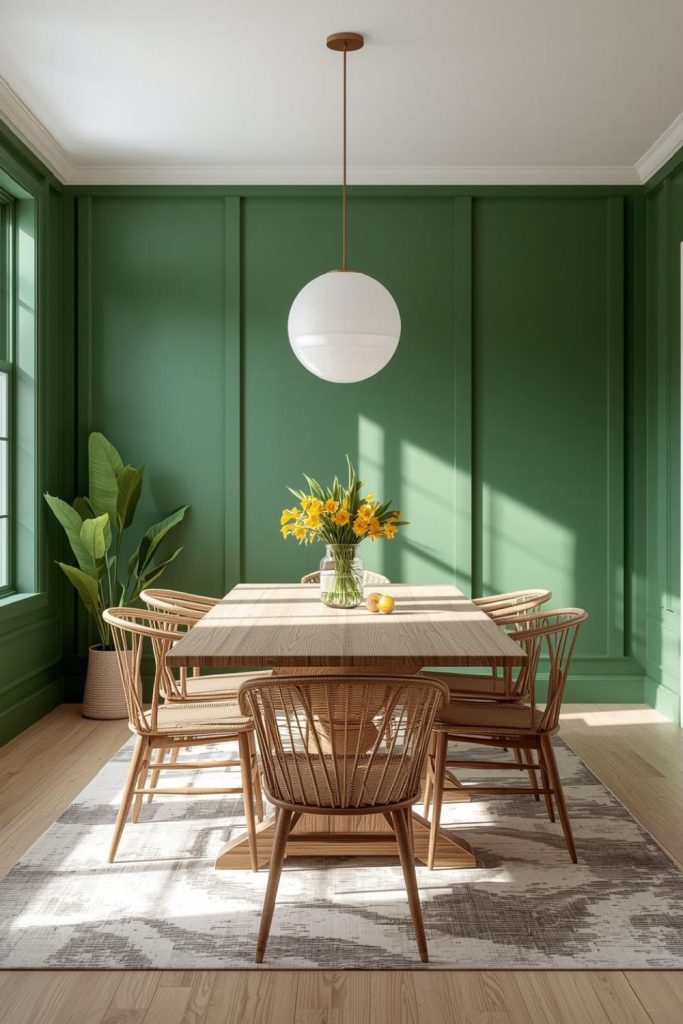
Dining Room Accent Wall Ideas with Green Paint for a Refreshing Touch
Green is calming and natural, bringing a sense of the outdoors into your dining room. A soft sage wall pairs beautifully with wood furniture, while deep emerald creates drama. Green works well with plants, bronze fixtures, and natural textures to make the space feel refreshing.
Kitchen Accent Wall Inspiration Using Navy Shades
Navy creates a bold, sophisticated look, especially in kitchens adjacent to dining rooms. Paired with white cabinets or light wood, navy walls feel grounded yet airy. Consider navy wallpaper or a matte paint finish for depth and contrast.
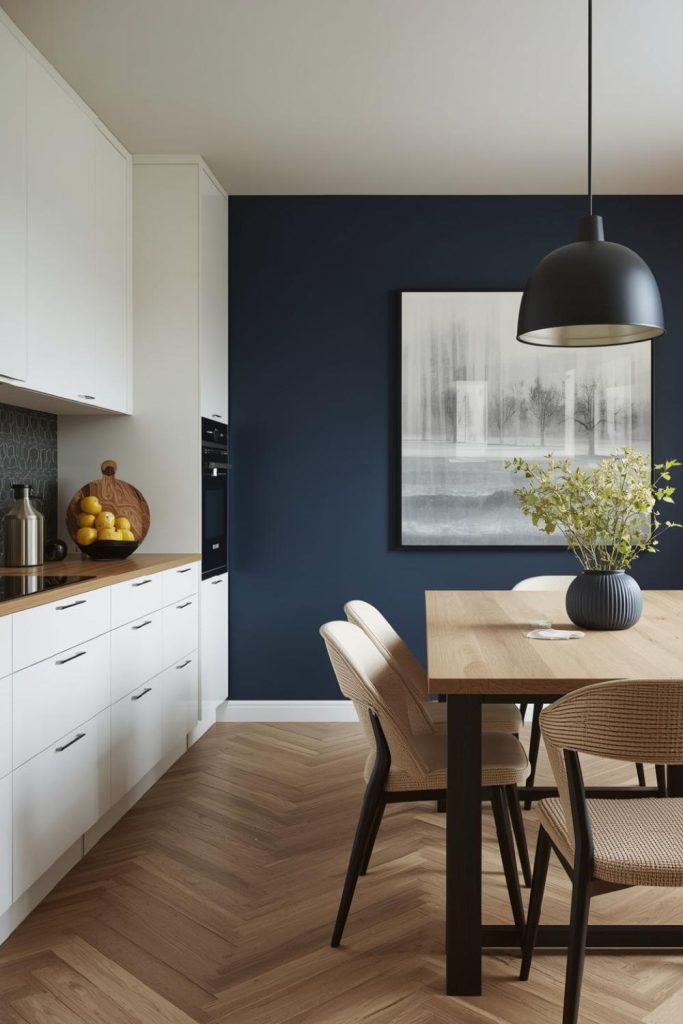
Bold Color Ideas for a Modern Dining Room Accent Wall
Modern spaces benefit from strong, confident hues. Mustard yellow, deep teal, or even burnt orange add energy while complementing neutral furniture. Keep lines clean and textures simple to maintain a modern aesthetic.
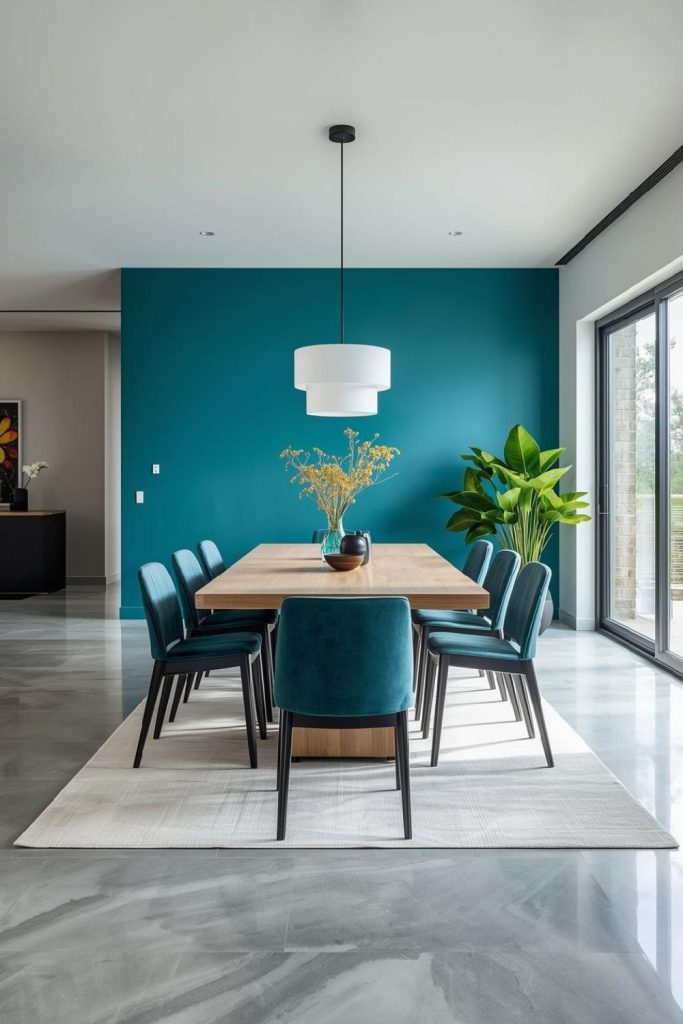
Black Accent Wall Designs That Add Drama to Dining Rooms
Black walls provide elegance and intimacy, ideal for large dining areas. Pair with metallic decor, mirrors, or vibrant art to prevent the space from feeling too heavy. Black works well with wood tones and plush textiles.
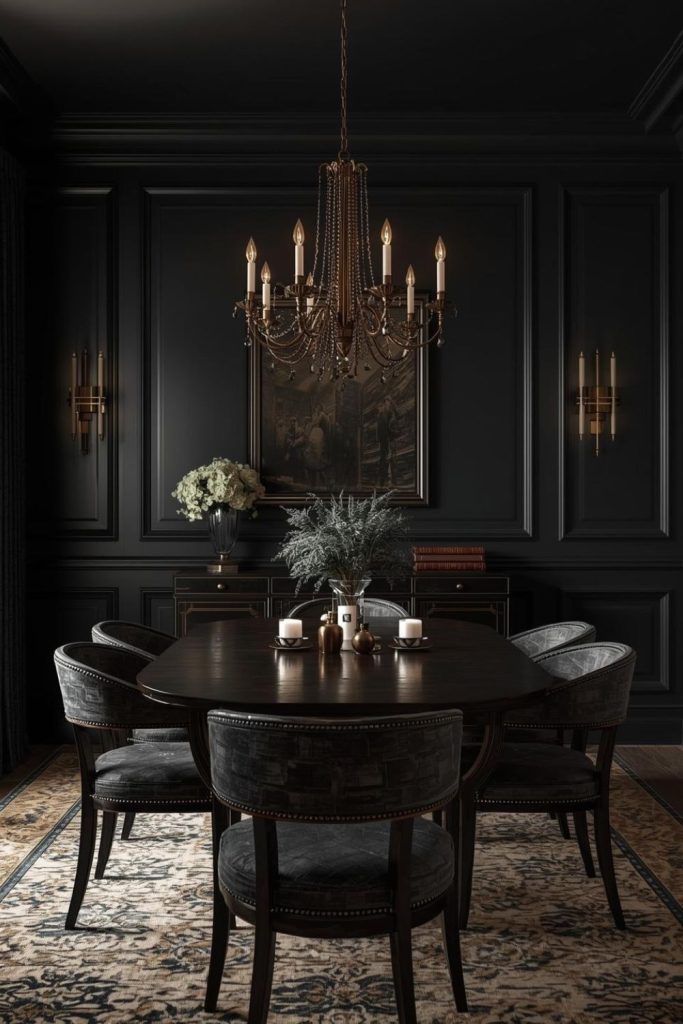
Blue Accent Wall Concepts for a Calming Dining Experience
Blue instantly relaxes the eye. Soft powder blue or muted denim shades create a serene dining space, perfect for family meals. Complement with light wood tables, white chairs, or brass fixtures for balance.
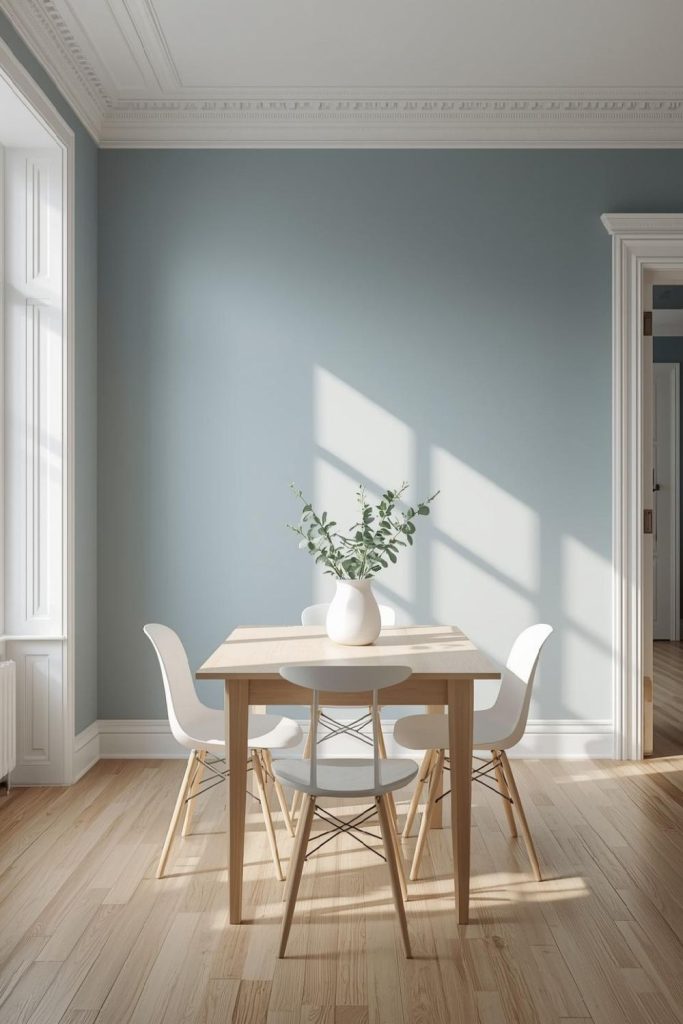
Farmhouse Dining Room Accent Wall Ideas with Rustic Charm
Wood paneling, distressed finishes, and neutral colors create a cozy, farmhouse feel. Combine shiplap or board and batten with vintage furniture for a warm, lived-in look that’s inviting for guests.
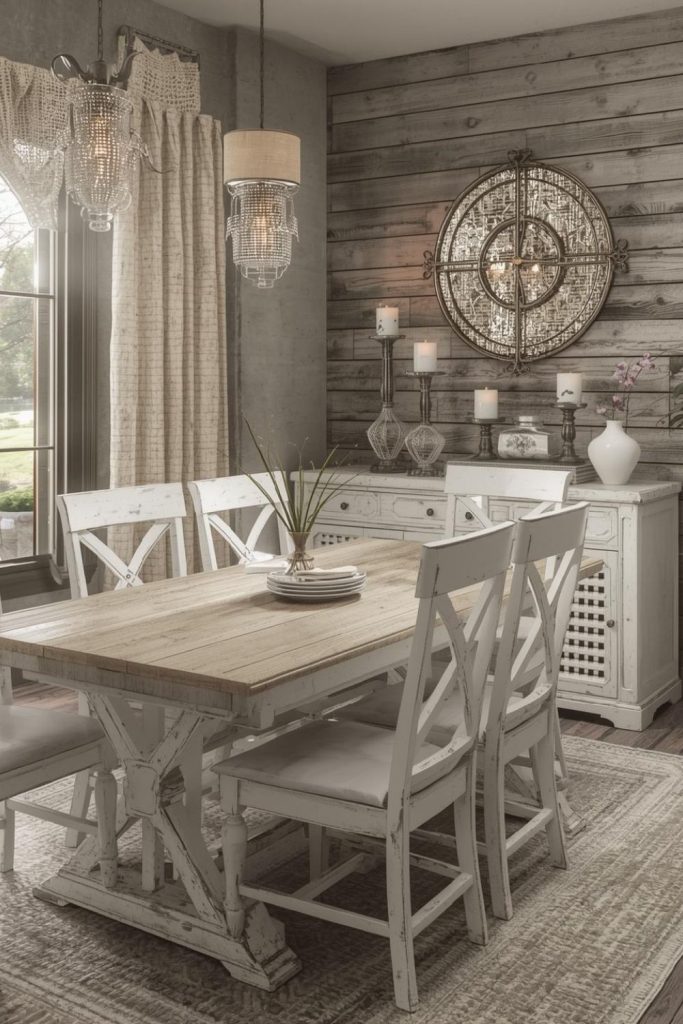
Dark Accent Wall Styles to Create a Cozy Dining Atmosphere
Dark hues like charcoal, forest green, or deep brown add intimacy. Pair with warm lighting and light-colored furniture to maintain balance. Textured walls like brick or wood panels add interest without overwhelming.
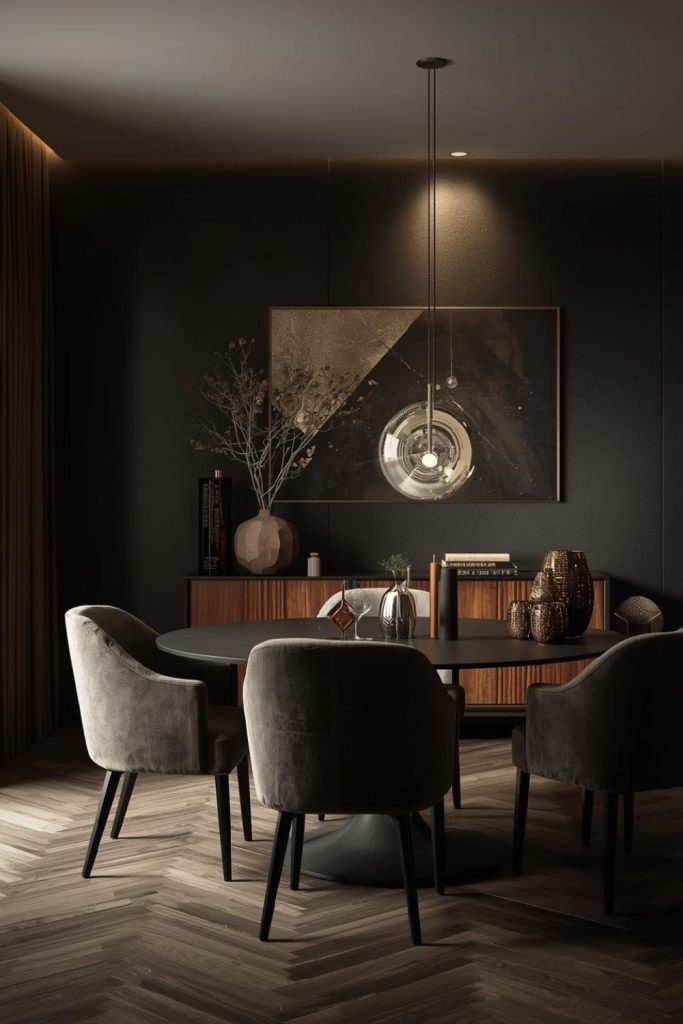
Shiplap Accent Wall Designs for a Timeless Dining Room
Shiplap adds dimension and a classic feel. Horizontal boards make rooms feel wider, vertical boards emphasize height. Whitewashed or painted shiplap blends with modern and farmhouse interiors alike.
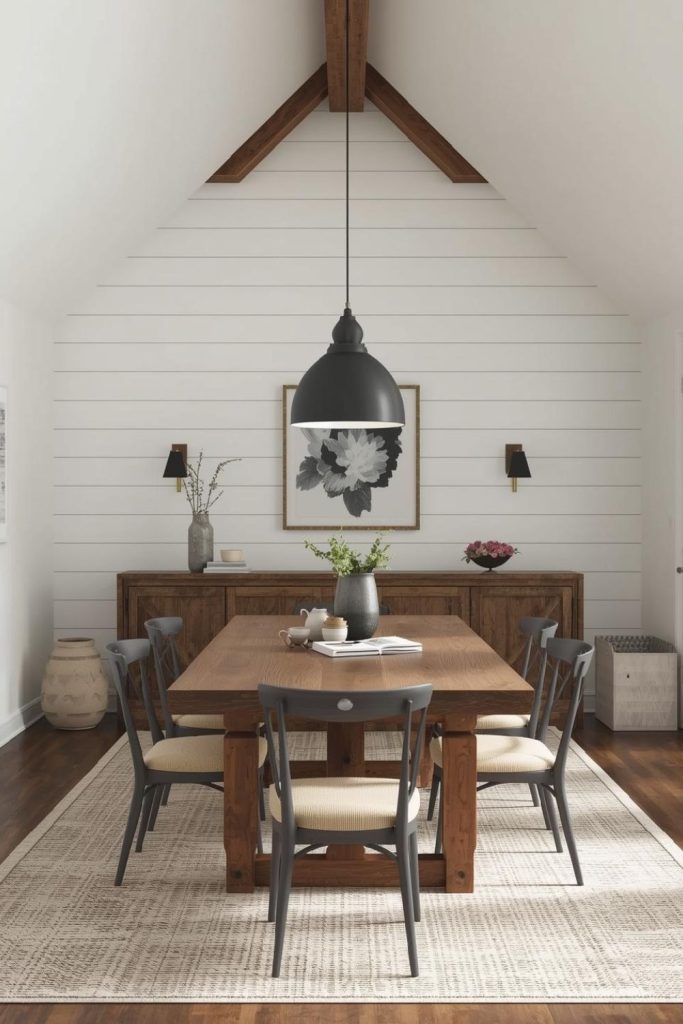
Living and Dining Room Open Concept Accent Wall Ideas
In open layouts, accent walls help define the dining space. Choose a color or texture that contrasts with adjacent areas, like navy or brick, to visually separate zones without closing off space.
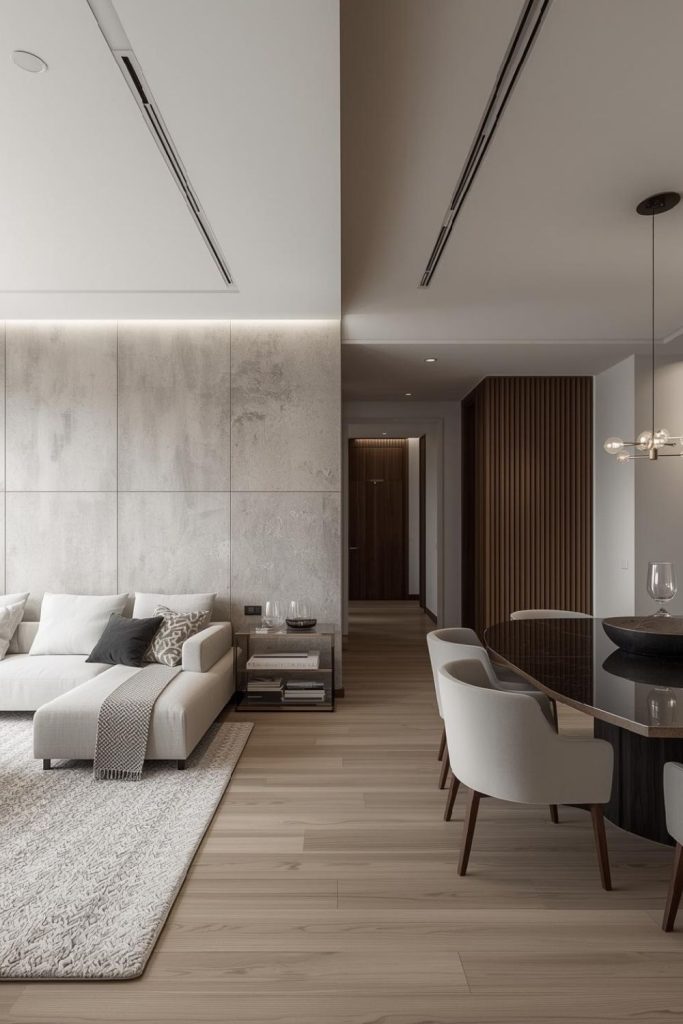
Vertical Paneling Accent Wall Concepts for Elegant Dining Spaces
Vertical lines draw the eye upward, creating the illusion of taller ceilings. Painted paneling or wood boards add elegance while maintaining simplicity. Pair with pendant lighting to highlight texture.
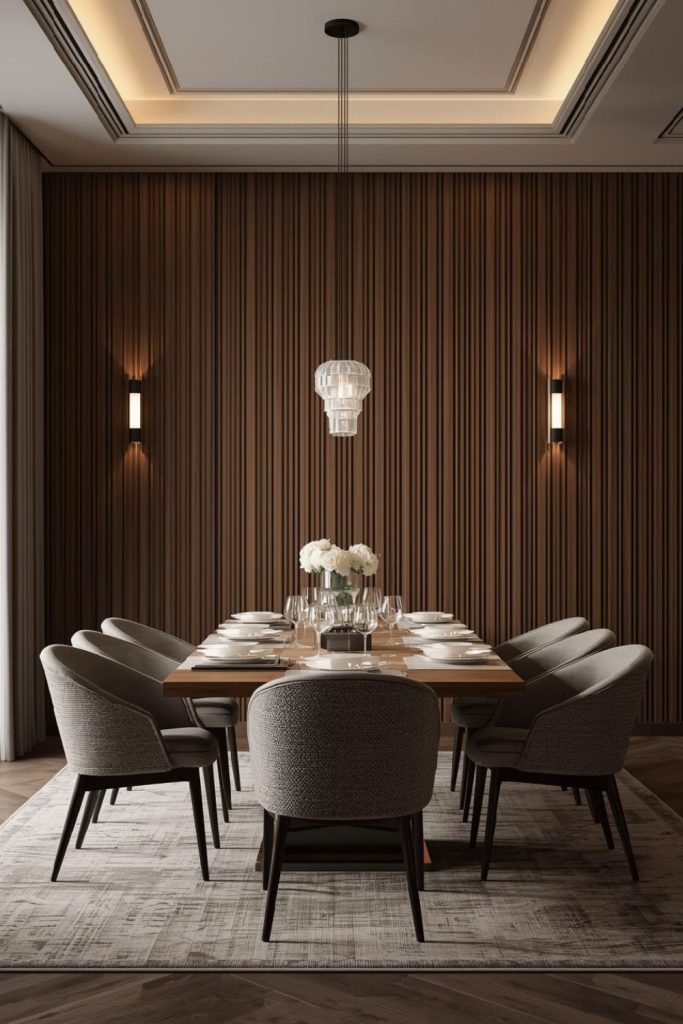
Vaulted Ceiling Accent Wall Ideas That Draw the Eye Upwards
Vaulted ceilings call for accent walls that emphasize height. Darker colors or tall paneling work well, helping balance large vertical spaces and making the dining area feel grand yet inviting.
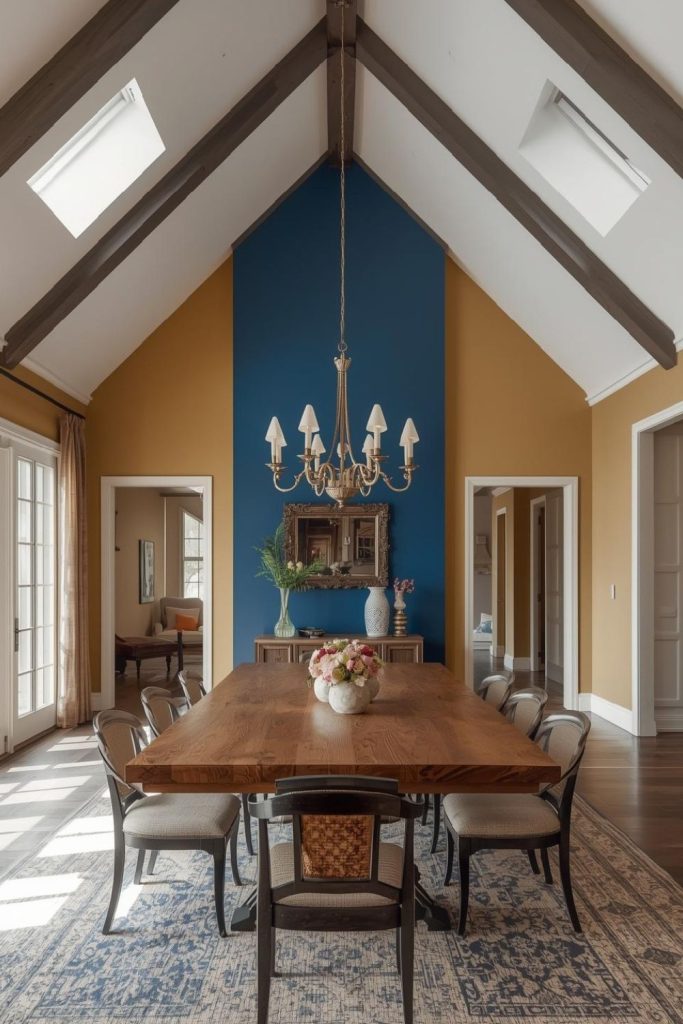
Bronze Accent Wall Designs for a Luxe Dining Room Feel
Bronze finishes or metallic paint add sophistication. Reflections create subtle depth, and pairing bronze with neutral or jewel-toned furniture enhances a luxurious dining space.
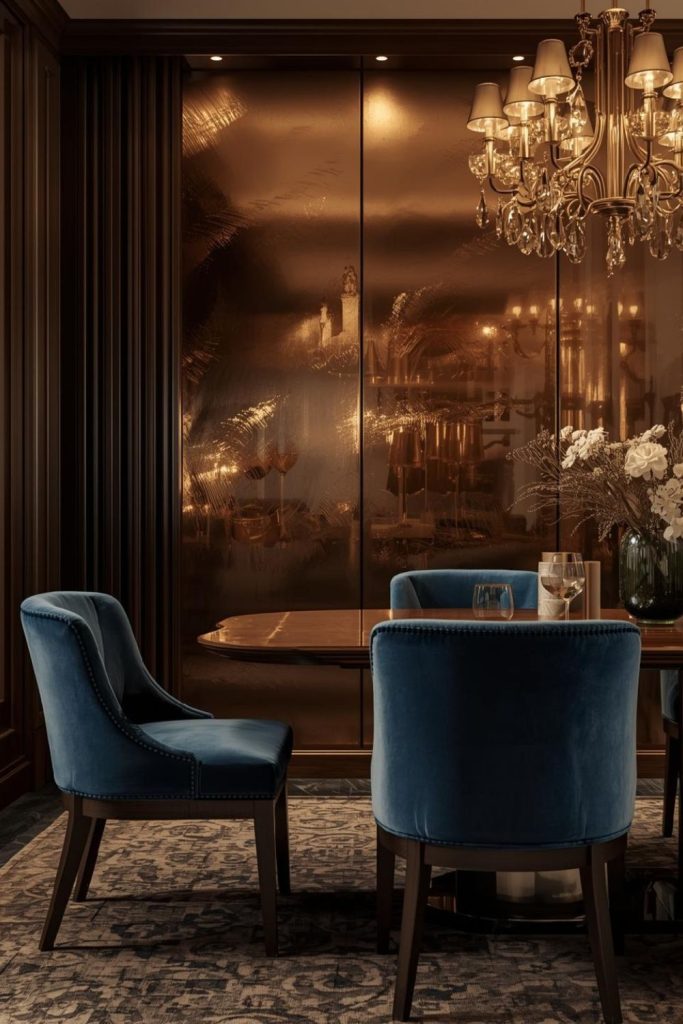
Board and Batten Accent Wall Inspiration for Classic Style
Board and batten walls bring architectural interest. Painted white or soft colors maintain brightness, while dark tones create drama. Works well in both modern and traditional homes.
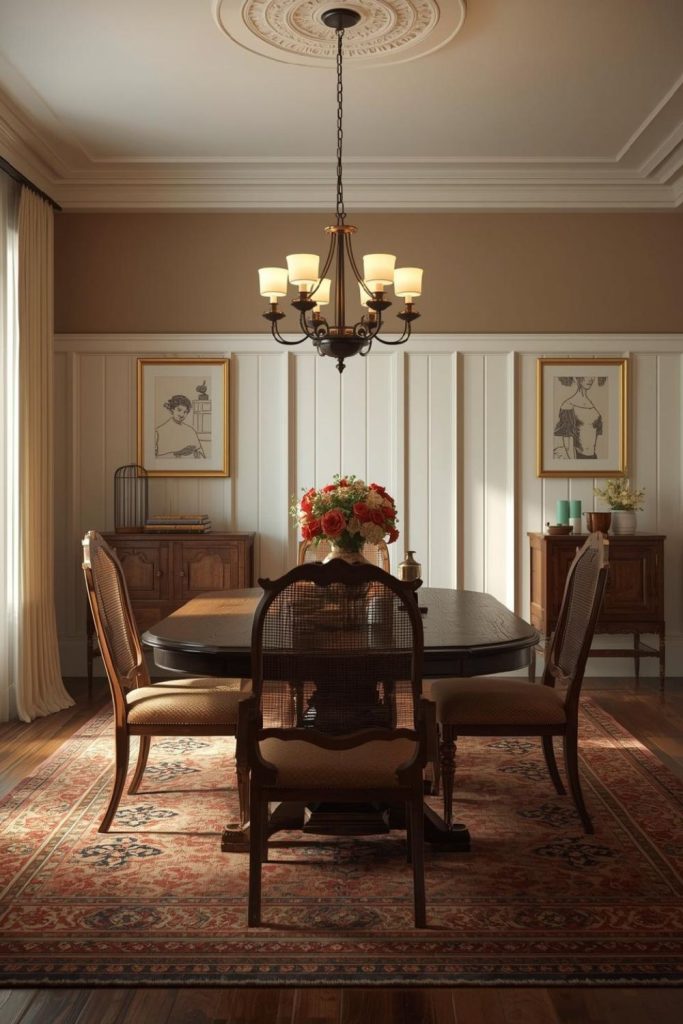
Light Accent Wall Ideas That Brighten Your Dining Area
Soft pastels, white, or cream walls expand the space visually. Ideal for smaller rooms or areas with less natural light. Pair with mirrors or light-colored furniture for a fresh, open feel.
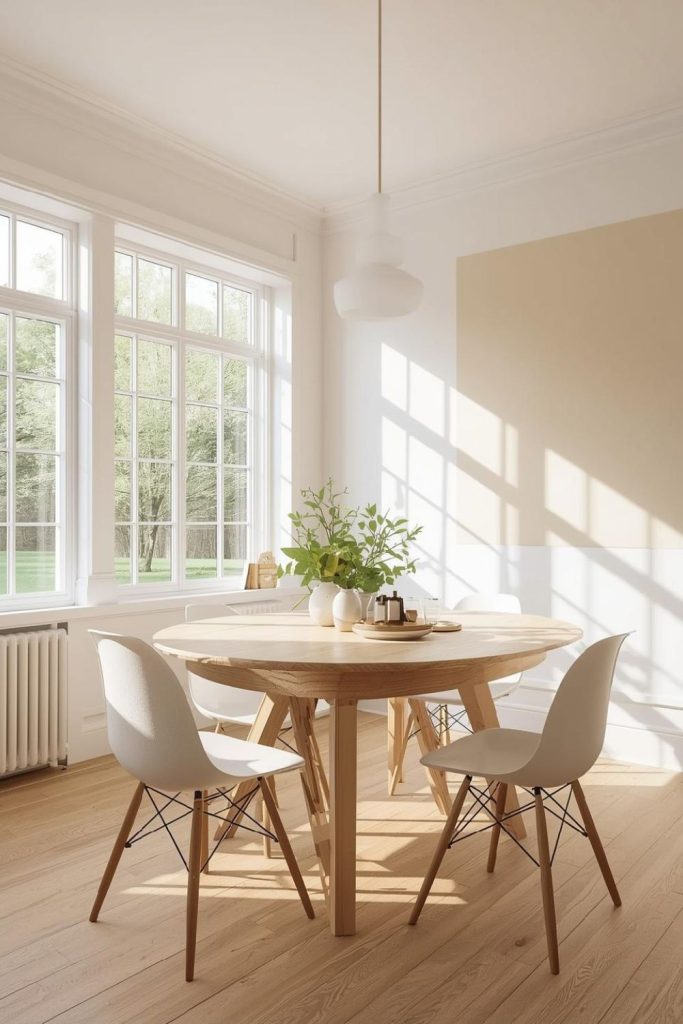
Half Wall Accent Concepts for a Unique Dining Room Layout
Half walls offer subtle accents without dominating the room. Great for small spaces or open layouts, paired with wainscoting, wood panels, or paint to highlight the lower section of the wall.
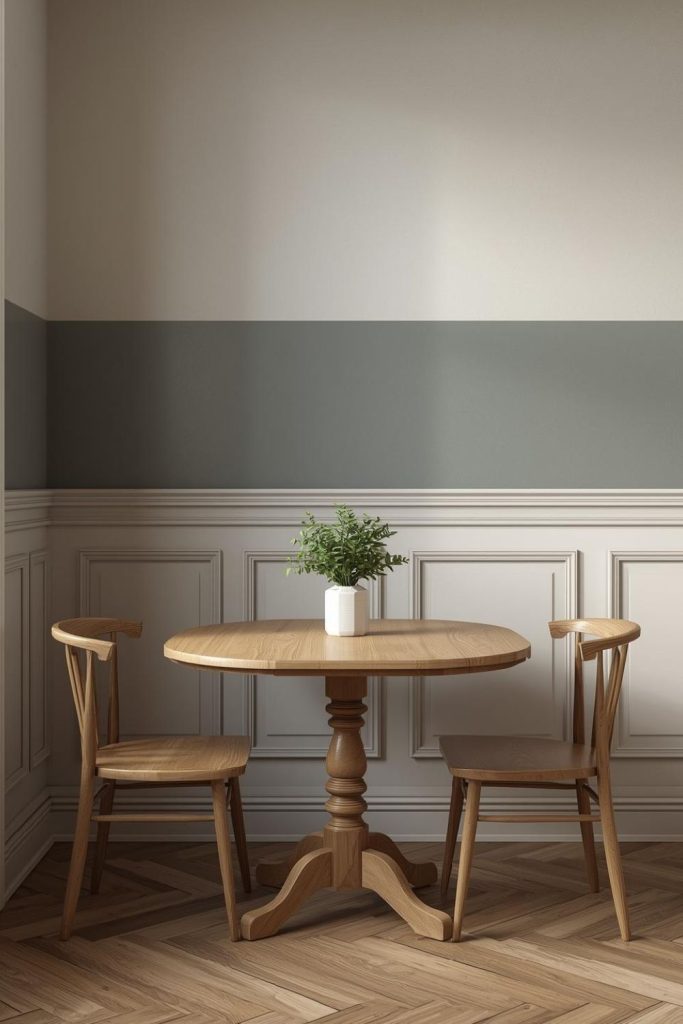
DIY Accent Wall Ideas for Personalizing Your Dining Space
Simple DIY techniques like stencils, removable wallpaper, or painted stripes let you customize your accent wall. Affordable and flexible, these ideas allow creativity without permanent commitment.
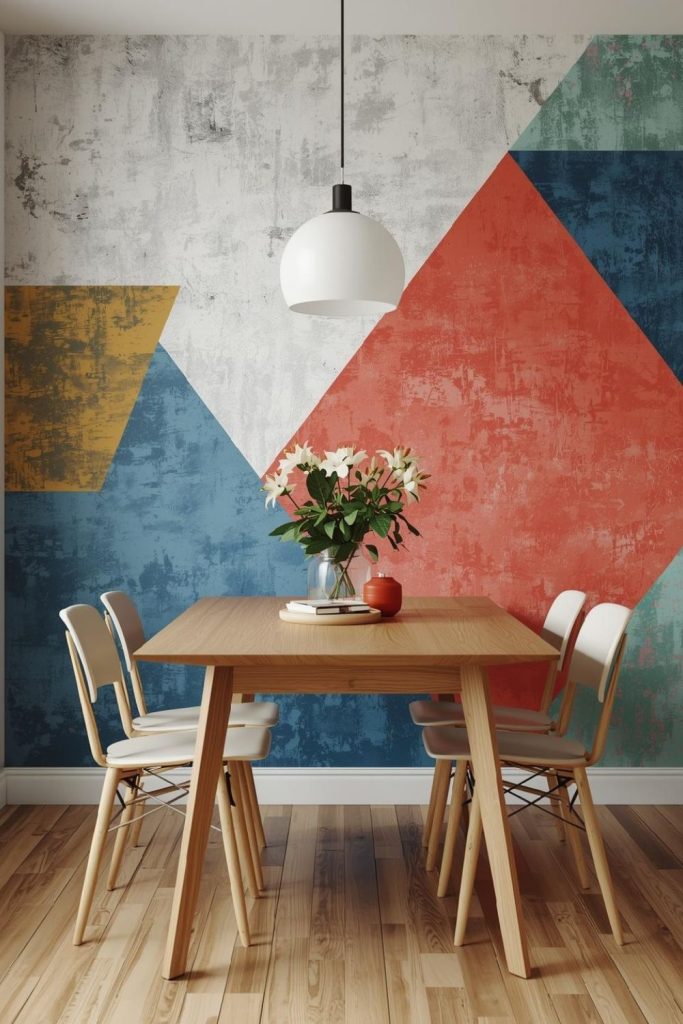
Emerald Accent Wall Designs for a Bold, Vibrant Dining Room
Emerald green commands attention and pairs beautifully with gold or brass accents. Works with dark wood furniture or neutral flooring for a luxurious, energetic atmosphere.
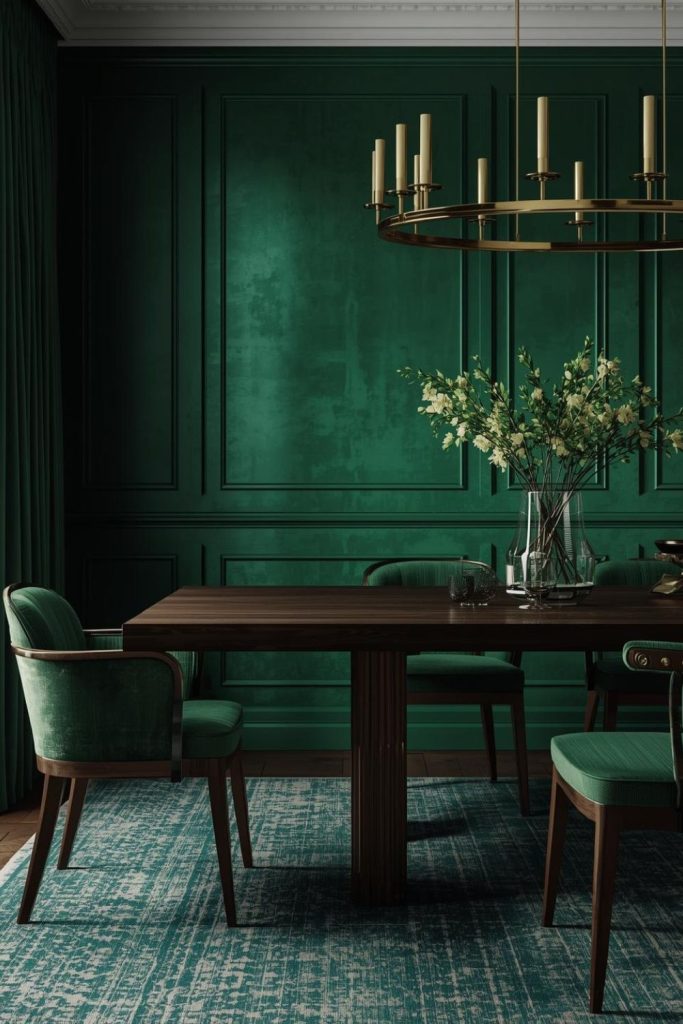
Organic Wood Accent Wall Concepts to Bring Nature Indoors
Natural wood panels, reclaimed boards, or bamboo bring warmth and texture. Organic tones blend with greenery and natural fabrics to create a grounded, cozy dining space.
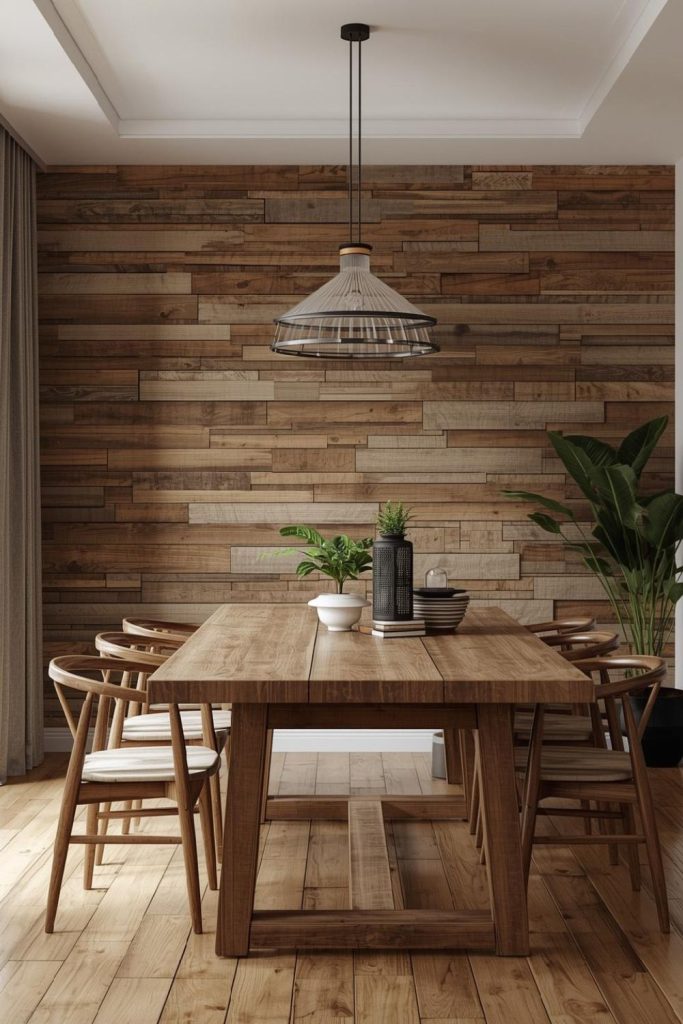
Shelves Integrated into an Accent Wall for Stylish Storage
Wall-mounted shelves double as storage and display. Combine with books, plants, or decor pieces to make the accent wall functional and visually appealing without clutter.
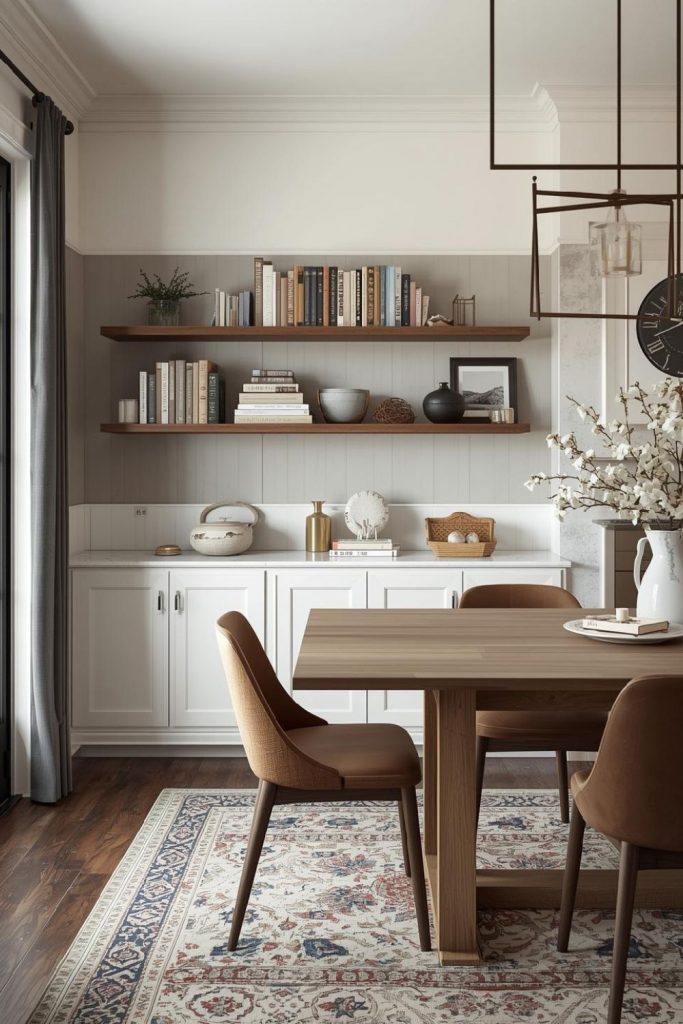
Vintage Accent Wall Ideas for a Nostalgic Dining Room Look
Retro patterns, antique finishes, or distressed paint create charm. Vintage-inspired walls pair well with traditional tables, upholstered chairs, and classic lighting for timeless appeal.
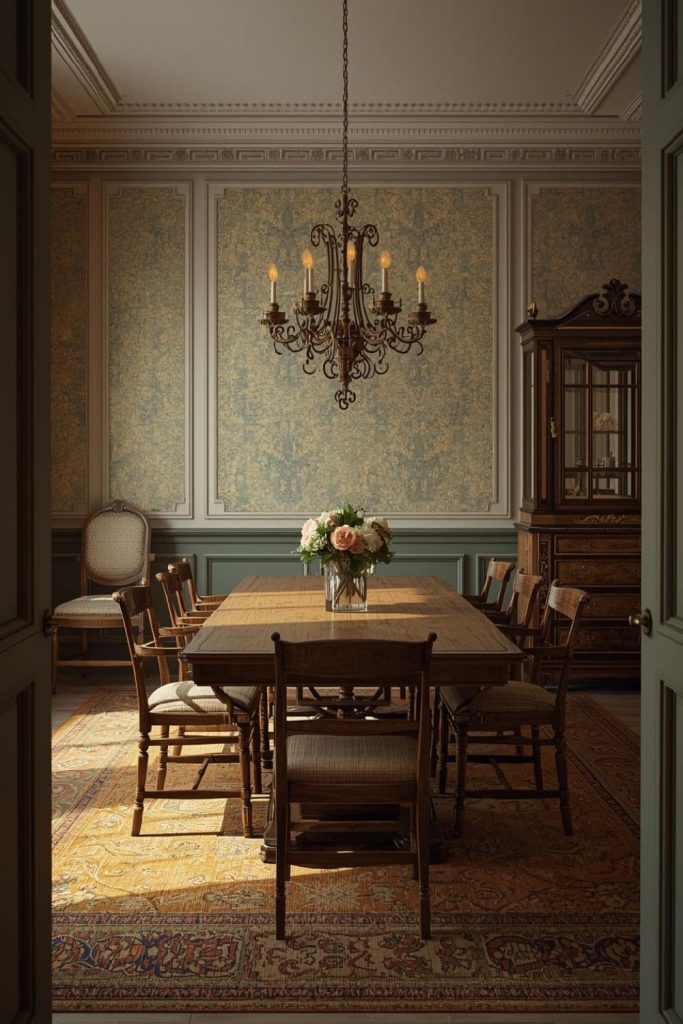
Mirror Accent Wall Designs to Add Depth and Light
Mirrors expand visual space and reflect light, making the dining room feel brighter and larger. Combine with framed panels or geometric layouts for an elegant effect.
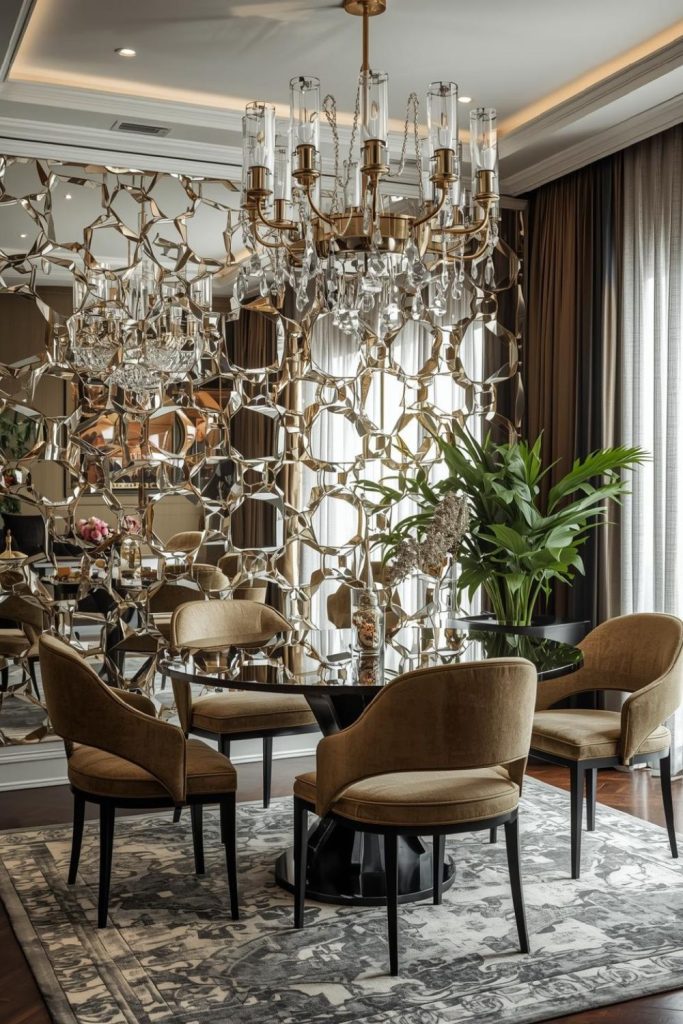
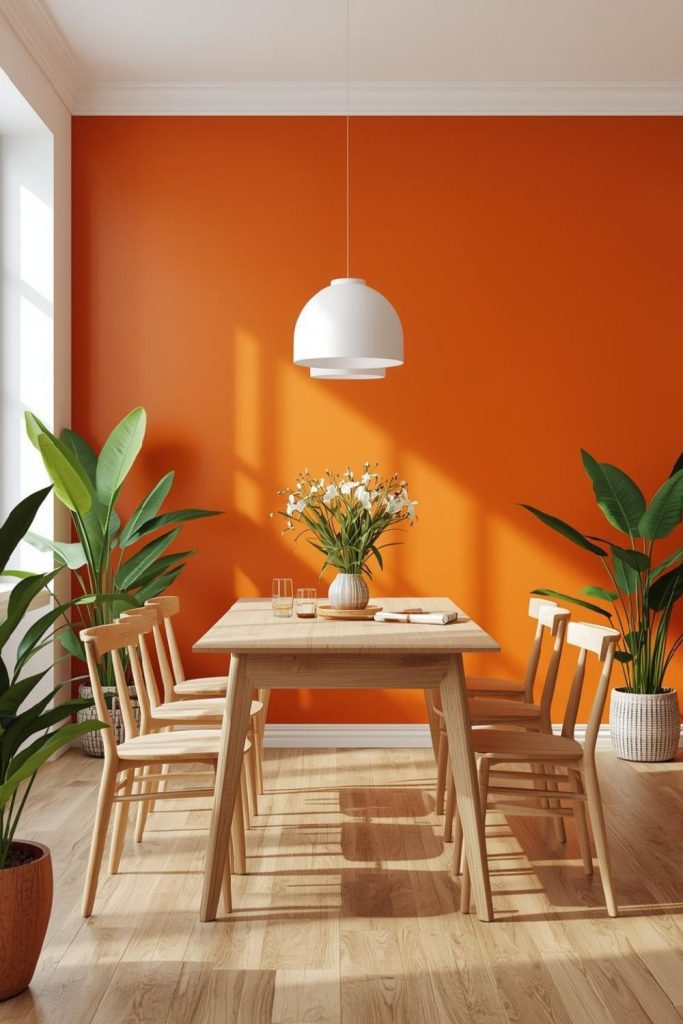
Orange Accent Wall Concepts for a Warm, Inviting Dining Space
Orange brings energy and warmth. Works best in combination with neutral furniture or wood accents. Perfect for casual, lively dining spaces with plenty of personality.
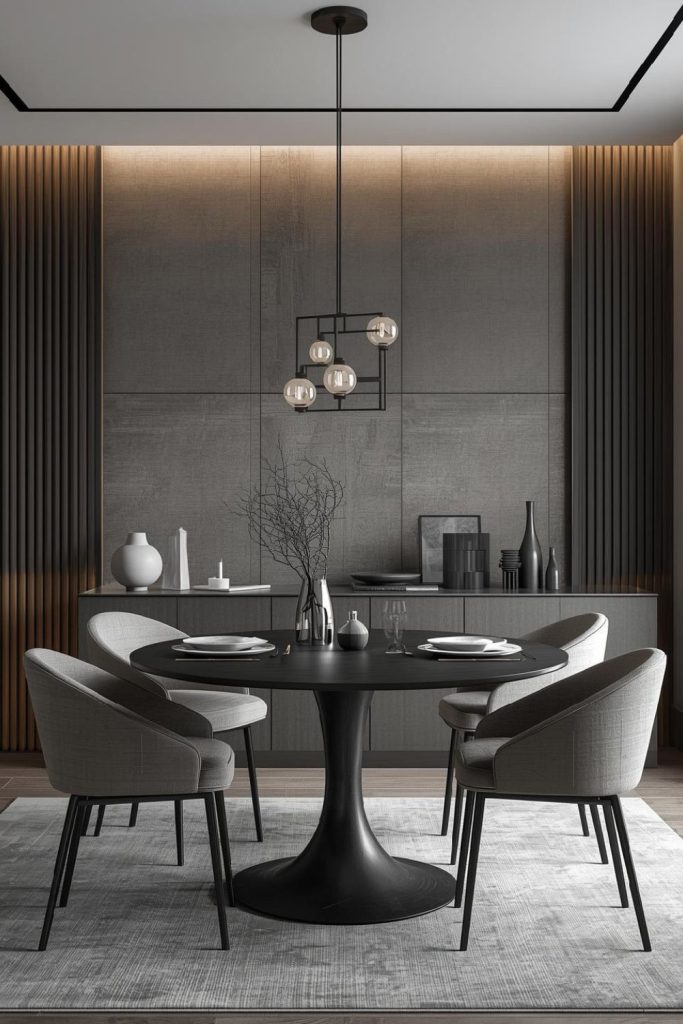
Urbane Accent Wall Ideas for a Sophisticated Modern Dining Room
Sleek finishes, muted tones, and minimal decor create a sophisticated, urbane feel. Works in apartments or modern homes with clean lines and contemporary furniture.
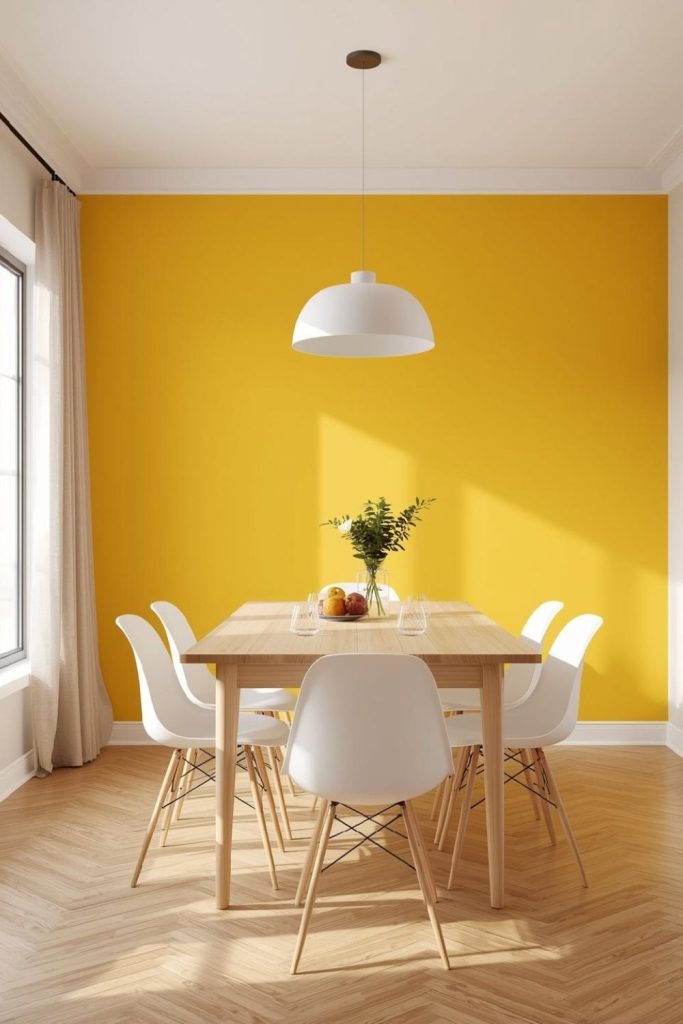
Yellow Accent Wall Designs That Add Cheerful Energy to Dining Spaces
Yellow energizes and brightens the space. Soft buttery shades create warmth, while bolder mustard hues add personality. Ideal for rooms with plenty of natural light.
Wallpaper Accent Wall Ideas to Transform Your Dining Space
Patterned wallpaper adds texture and interest. Geometric prints, botanicals, or textured vinyl can create visual impact without permanent changes, perfect for renters or seasonal updates.